

It usually starts with the dog scratching more than usual. Then you spot a tiny dark speck leap off the sofa cushion, and a row of itchy red bites appears around your ankles.
Fleas are one of the most frustrating pests a household can face, not because they’re hard to kill, but because they’re so good at coming back. Many people treat the dog, see the fleas vanish for a week, and then watch them return.
This guide explains how to get rid of fleas properly: treating every pet, the home, and the yard at the same time, and sticking with it long enough to outlast the flea life cycle. It’s not complicated, but it does take a few weeks.
Quick answer: Treat every pet with a vet-recommended flea product, vacuum all floors and furniture daily, and wash pet bedding and linens in hot water. Use an insect growth regulator indoors to stop eggs and larvae from developing, treat shady areas of the yard if needed, and keep going for at least four to eight weeks.
Confirm it’s fleas
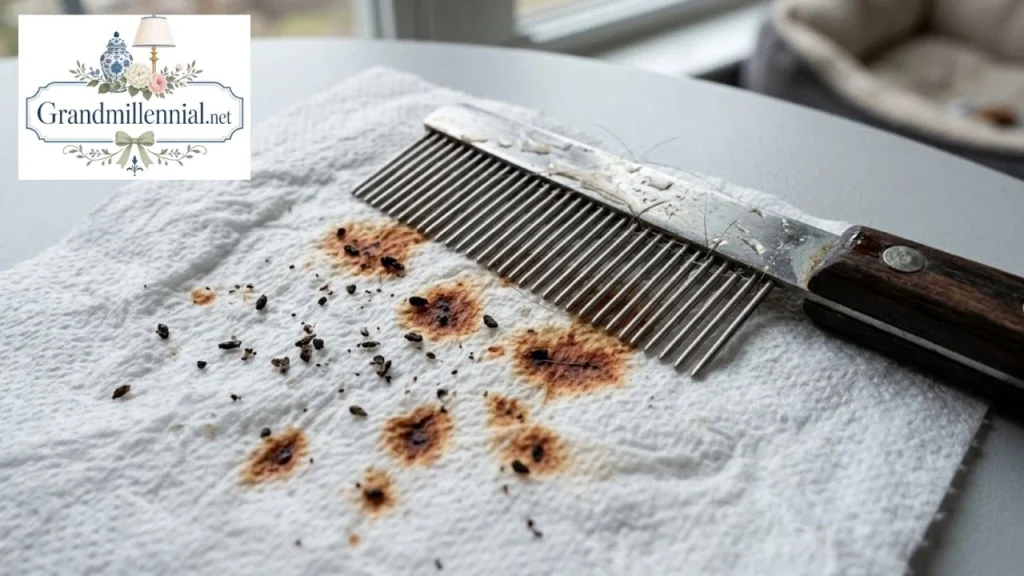
Before buying anything, make sure fleas are the culprit. A few quick checks will tell you. Use a flea comb. Run a fine-toothed metal flea comb through your pet’s fur, especially around the neck, base of the tail, and belly. Live fleas are small, dark reddish-brow,n and flattened from side to side.
Look for flea dirt. Tap the comb onto a damp white paper towel. Flea dirt (flea droppings) looks like ground pepper and smears reddish-brown when wet, because it’s digested blood.
Try the white-sock test. Wear white socks pulled up high and walk slowly across carpets and rugs where your pets spend time. Fleas jump onto the socks and stand out clearly. Check bites. On people, flea bites are small, itchy red bumps, often in clusters or lines around the ankles and lower legs.
Why fleas are so hard to beat
The reason fleas keep returning is that most of them aren’t on your pet at all. The flea you’re most likely dealing with is the cat flea, Ctenocephalides felis, which UC IPM identifies as the most common flea on both cats and dogs. Adult cat fleas stay on the animal, feeding, mating, ng and laying eggs there.
Those eggs don’t stay put. They fall off into carpets, bedding, sofa cushions, and the cracks between floorboards, wherever your pet rests. There they hatch into larvae, which feed on organic debris and flea dirt, then spin cocoons and pupate.
The University of Arizona Extension notes that during an infestation, about 95 percent of fleas are in these immature stages, in the environment rather than on the pet. Whole Dog Journal breaks it down further: roughly half eggs, about a third larvae, around a tenth pupae, and only a small share adults.
| Life stage | Where it lives | Why it matters |
|---|---|---|
| Eggs | Fall off the pet’s carpet, bedding, and furniture | Spread wherever your pet rests |
| Larvae | Deep in carpet fibres, cracks, under furniture | Avoid light; feed on flea dirt |
| Pupae | Protected cocoons in the same places | Resist most insecticides; can wait for a host |
| Adults | On the pet | The only stage you usually see |
The pupa is the real problem. Inside its cocoon, it’s well protected, and it can wait until it senses a host nearby before emerging. Bugwood’s flea guide notes that in cooler conditions, larvae in cocoons can remain for nearly a year.
At normal room temperatures, UC IPM says the whole life cycle can take about 18 days, while the University of Georgia notes it often runs 30 to 75 days depending on conditions. That’s why one treatment rarely finishes the job: new adults keep emerging for weeks.
Treat every pet
The first rule of how to get rid of fleas is to treat every dog and cat in the house at the same time, even the ones that don’t seem itchy. An untreated pet acts as a walking flea factory.
Ask your veterinarian which product suits each animal’s species, age, weight,t and health. Modern options include oral tablets and chewables, topical spot-on treatments, and some collars. Arizona Extension notes some tablets can eliminate fleas on the animal within hours.
Many products combine an adult flea killer with an insect growth regulator (IGR) or development inhibitor, which stops eggs and larvae from maturing. Use them all year if your vet recommends it, not just in summer.
Important for cat owners: UC IPM warns that products containing permethrin or amitraz should never be applied to cats. Many dog flea products contain permethrin, which can be severely toxic to cats. Always use products labelled for the exact species and weight.
A bath with ordinary pet shampoo can wash off some adult fleas and soothe the skin, but it doesn’t protect against new ones. The University of Georgia also cautions that some flea shampoos can be harder on the pet than on the fleas, so choose carefully and follow your vet’s advice.
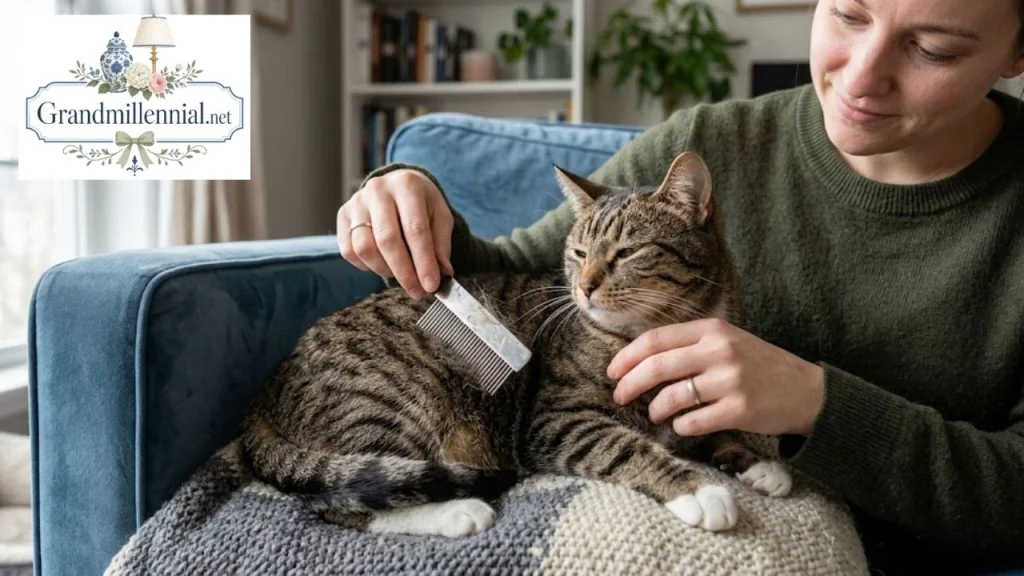
Comb your pets daily with a flea comb while you work through the plan, dunking any fleas you catch into soapy water. It’s a good way to track progress.
Treat your home
This is the step that ends most infestations, and the part of how to get rid of fleas that people most often rush. The goal is to remove eggs and larvae, force pupae to emerge, and stop new ones developing.
Vacuum thoroughly, every day
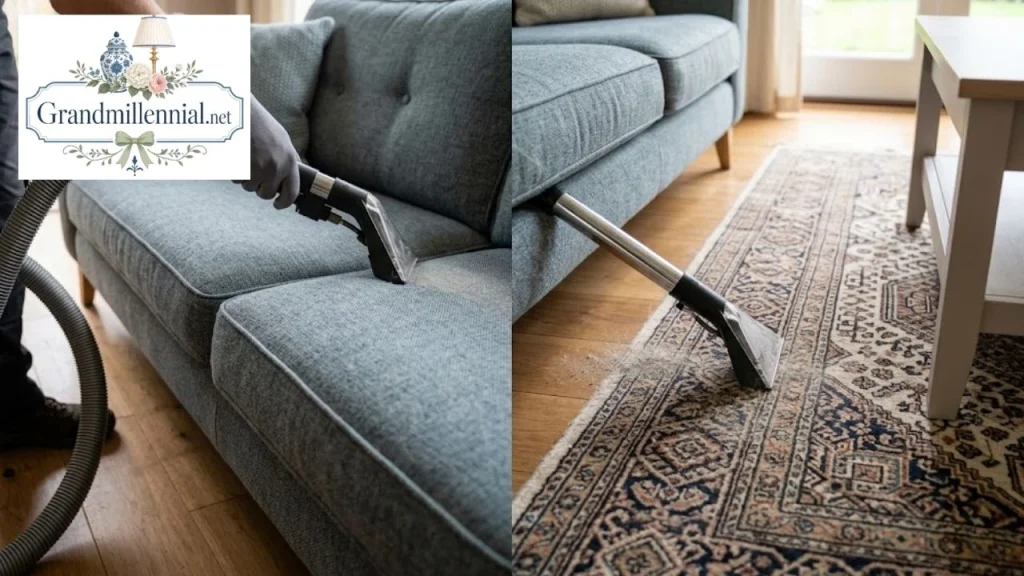
Arizona Extension describes vacuuming as very effective. Vacuum every floor surface, including carpets, rugs, hard floors along skirting boards, under furniture, sofa cushions and crevices, and the car if your pet travels in it.
Vibration and warmth from vacuuming are widely reported to encourage pupae to leave their cocoons, exposing them to treatments. Empty the canister or remove the bag after each session, seal it in a plastic bag, and put it straight in the outside bin.
Wash everything washable
Wash pet bedding, blankets, throws, cushion covers, and your own bedding if pets sleep on the bed, using the hottest wash the fabric allows, then dry on high heat. If a pet bed is badly infested and can’t be washed hot, it’s often easier to replace it.
Steam clean carpets and upholstery
The University of Georgia notes that steam cleaning carpets can kill all flea life stages. It’s a good companion to vacuuming, especially in high-traffic rooms.
Use an insect growth regulator indoors.s
An indoor spray containing an insect growth regulator, such as methoprene or pyriproxyfen, stops eggs and larvae from developing into biting adults. Many household flea sprays combine an IGR with an adult insecticide.
Vacuum first, then spray carpets, under furniture, re and along edges, following the label exactly. Keep people and pets off treated areas until they’re dry. Many labels call for a repeat application after a couple of weeks.
Foggers (“flea bombs”) are popular but less effective than targeted sprays, because the mist settles on open surfaces and rarely reaches under furniture where larvae hide. If you use one, follow the label strictly, including turning off pilot lights and appliances.
Don’t forget rugs, curtains, and soft furnishings.
Deep-pile rugs hold eggs and larvae well. Vacuum both sides and take smaller rugs outside to shake or beat them. If you’re replacing a damaged rug, low-pile styles are easier to keep flea-free; these DIY area rug ideas include easy-care options.
Curtains and upholstery near pet resting spots deserve attention too. Wash removable curtains, or vacuum them with an upholstery tool.
Treat the yard
If your pets spend time outdoors, the yard can keep re-infesting them, so it belongs in any plan for how to get rid of fleas properly.
Fleas don’t survive well in hot sun. They prefer shady, humid spots: under decks, porches and shrubs, in dog runs and along fences where pets lie. Focus any outdoor treatment there rather than spraying the whole lawn.
Keep grass mowed and rake away leaf litter. Don’t let wildlife such as raccoons, opossums, and feral cats nest under the house or deck, as the University of Georgia notes they can bring new fleas into the yard.
If you use an outdoor insecticide, choose one labelled for fleas in lawns, follow the label carefully, and keep pets off treated areas until it’s dry. For more ideas on keeping a pet-friendly yard in good shape, see these tips for keeping your yard looking good with dogs.
What to expect: a realistic timeline
Knowing how to get rid of fleas is only half the battle; the other half is patience. Because pupae keep emerging, you will see some fleas after treatment, and that’s normal.
| Timeframe | What usually happens |
|---|---|
| Days 1–3 | Fleas on pets die quickly after treatment; you may still see some in the house |
| Week 1–2 | New adults keep emerging from pupae; they die after contacting treated pets or surfaces.s |
| Weeks 2–4 | Numbers fall sharply if you keep vacuuming and pets stay treated |
| Weeks 4–8 | Occasional stragglers; most homes are clear by this point |
| After 8 weeks | Fleas still appearing usually means a missed pet, a missed area, or an outside source. |
Keep vacuuming daily for the first two to three weeks, then several times a week until you’ve gone two weeks without seeing a flea.
Natural remedies and myths
There’s no shortage of home remedies online. Here’s an honest look at the most common ones.
| Remedy | Verdict | Why |
|---|---|---|
| Dish soap bath | Short-term only | Drowns fleas on the pet but gives no lasting protection; can dry the skin |
| Essential oils | Use caution | Some oils are toxic to cats and can irritate dogs; little evidence they control infestations |
| Diatomaceous earth | Limited | Can dry out some insects, but evidence for flea control is limited and fine dust can irritate lungs |
| Salt or baking soda on carpets | Little evidence | May dry some larvae but won’t reach pupae |
| Flea traps (light or sticky) | Monitoring only | The University of Georgia notes traps won’t attract fleas off the pet |
| Flea bombs alone | Partial | Miss larvae under furniture; must be combined with vacuuming and pet treatment |
Non-chemical methods do have a place. Arizona Extension describes a non-chemical routine of daily flea combing, vacuuming,g and weekly washing of bedding. It helps a lot, but when you’re working out how to get rid of fleas in an established infestation, most households also need a vet-recommended pet product.
Special situations
Fleas in a house with no pets
It happens. Fleas may have arrived on a previous owner’s pet, on wildlife or rodents, or in second-hand furniture or rugs. Pupae can wait in an empty home and emerge when people move in.
The approach is the same: vacuum daily, wash fabrics, use an IGR spray, and check for animals nesting in crawl spaces, attics, or under decks. Bugwood also suggests inspecting used furniture and carpets before bringing them indoors.
Fleas in your bed
If pets sleep on your bed, fleas and eggs may be in the bedding. Wash everything in hot water, vacuum the mattress and bed frame, and keep pets off the bed until the infestation is over. Cat fleas prefer animals and don’t live on people, but they will bite.
Fleas in the car
Vacuum seats, carpets and boot liners thoroughly, and wash any pet blankets or seat covers.
Moving into a new home
If the previous owners had pets, a deep clean before moving in is worth it: professional carpet steam cleaning and a thorough vacuum of every room.
Are fleas dangerous?
For most people, fleas are an itchy nuisance, but they can affect health. Flea allergy dermatitis. Some pets are allergic to flea saliva and develop intense itching, hair loss, and skin infections from just a few bites.
Tapeworms. UC IPM explains that cats and dogs can pick up a tapeworm by swallowing an infected flea while grooming. Talk to your vet about deworming if your pet has had fleas. Anaemia. Heavy infestations can cause anaemia in kittens, puppies,s and small or elderly animals. Pale gums or lethargy need a vet visit.
Diseases in people. The University of Georgia notes cat fleas can transmit murine typhus to humans, and UC IPM mentions a rickettsial agent widely found in cats and cat fleas. These are uncommon, but they’re another reason to deal with fleas promptly.
Still seeing fleas?
If fleas persist beyond eight weeks, work through this list: Missed pet: every dog and cat must be treated, on schedule. Wrong product or dose: check the label matches your pet’s species and weight. Missed areas: under beds, inside the car, pet carriers, the garage or basement.
Outdoor source: wildlife under the house, a neighbour’s pets, shady yard spots. Stopping too soon: pupae can keep emerging for weeks. Going back to basics usually solves it: treat all pets, vacuum daily, and repeat the indoor IGR treatment as the label allows.
Preventing fleas year-round
Once you’ve learned how to get rid of fleas, a few habits keep them from coming back.
| How often | Task |
|---|---|
| Monthly (or as prescribed) | Give every pet its flea prevention, all year round |
| Weekly | Vacuum floors and furniture; wash pet bedding |
| Weekly | Comb pets with a flea comb, especially after walks in long grass |
| Seasonally | Trim shady yard areas; discourage wildlife |
| Before travel or boarding | Check your pet’s prevention is up to date |
A regular cleaning routine helps with more than fleas. This guide to cleaning hardwood floors safely suits homes with pets, and arranging furniture so you can vacuum underneath easily makes upkeep simpler; these cozy living room ideas show how to balance comfort and practicality.
Washable textiles are a quiet win in pet households. Lined, removable curtains like these custom curtains can go through the wash rather than collecting debris all season.

When to call a professional
Most homes can solve a flea problem without professional help. Consider calling a licensed pest control professional if:
- Fleas persist after eight weeks of consistent treatment
- The infestation is severe or spread through a large home
- You suspect wildlife or rodents in walls, attics, or crawl spaces
- Someone in the home is very sensitive to bites or chemicals
And always see a veterinarian if your pet has skin infections, hair loss, pale gums, or if you have kittens, puppies, pregnant or elderly pets that need careful product choices.
FAQs:
What kills fleas instantly?
Some vet-prescribed oral tablets start killing fleas on the pet within hours. Nothing instantly clears the eggs, larvae, and pupae in your home, so treatment must continue for weeks.
How long does it take to get rid of fleas?
Usually four to eight weeks with consistent pet treatment, daily vacuuming, and an indoor growth regulator, because pupae keep emerging.
Can fleas live in your bed?
They can, especially if pets sleep there. Wash bedding hot, vacuum the mattress, and keep pets off the bed during treatment.
Can fleas live on humans?
Cat fleas bite people but don’t live on them; they prefer cats and dogs.
Why do I still have fleas after treating my dog?
Most fleas are in the home as eggs, larvae,e and pupae. New adults keep emerging for weeks, so keep vacuuming and treating the house.
Can I use dog flea treatment on my cat?
No. Many dog products contain permethrin, which UC IPM warns should never be used on cats.
Do flea bombs work?
They kill some adults but often miss larvae under furniture. Targeted sprays plus vacuuming and pet treatment work better.
Do I need to treat the yard?
Only if pets spend time outside in shady areas. Focus on spots under decks, shrubs, and porches.