

Spanish style homes can be remarkably persuasive. A shaded arched doorway, weathered clay roof, and quiet courtyard can make a property feel romantic before a buyer has inspected a single wall. That immediate emotional response is part of the style’s appeal.
But it can also distract from expensive problems hidden beneath the surface. An older Spanish Revival house may contain durable materials and excellent craftsmanship. It may also have worn roof underlayment, trapped moisture, corroded windows, outdated wiring, or poorly constructed additions.
A newer Spanish-inspired property can present different concerns, including artificial finishes and architectural features that were added for appearance without proper building details. The purpose of a pre-purchase evaluation is not to eliminate charm.
It is to determine whether the house’s condition, renovation potential, and ongoing expenses match your expectations. This guide explains what buyers should examine before purchasing a Spanish-style home and how to distinguish attractive aging from costly neglect.
Begin by Identifying What You Are Actually Buying
“Spanish style” is used loosely in property listings. It can describe anything from an authentic 1920s Spanish Colonial Revival residence to a recently built stucco house with an arched front door. Before evaluating condition, identify the property’s likely age and architectural category. You may encounter:
- Historic Spanish Colonial buildings
- Mission Revival houses
- Spanish Colonial Revival bungalows
- Mediterranean Revival villas
- Monterey-style homes
- Pueblo-influenced houses
- Modern courtyard residences
- Conventional houses remodeled with Spanish details
The architectural label matters because it affects what materials, defects, and alterations you are likely to find. A 1920s bungalow may have clay tile, wood framing, original plaster and steel casement windows. A contemporary house may use concrete roof tile, manufactured stucco systems, vinyl windows and standard framed walls. Both can be attractive, but they should not be inspected or valued in the same way.
Research the Property Before the Inspection
A professional inspection is essential, but useful investigation can begin earlier. Ask the seller or agent for:
- Construction date
- Permit history
- Roof replacement records
- Renovation invoices
- Structural reports
- Insurance claims
- Termite-treatment records
- Drainage or foundation repairs
- Historic-designation information
- Warranties for recent work
- Plans for additions or major alterations
Compare the current house with earlier listing photographs or public records where available. Changes in window sizes, rooflines, and exterior walls can reveal work that deserves further investigation.
Do not assume that a beautiful renovation was professionally designed or permitted. Fresh finishes can conceal poor workmanship just as easily as they can represent responsible improvement.
Walk Around the Property Before Going Inside
The exterior can provide early clues about how the building handles water, movement, and maintenance. Stand back and look at the house as a complete structure. Notice whether:
- Rooflines appear straight
- Walls lean or bow
- Windows align naturally
- Additions appear properly connected
- Paving slopes toward or away from the house
- Soil touches the lower stucco
- Gutters and drains discharge safely
- Large trees grow close to foundations or drains
- Balconies show staining or movement
Individual cracks or stains may have simple explanations. A pattern of defects across several building components deserves closer attention. For example, a sticking door, diagonal wall crack, and uneven floor in the same area may indicate more than ordinary cosmetic wear.
Understand the Clay Tile Roof
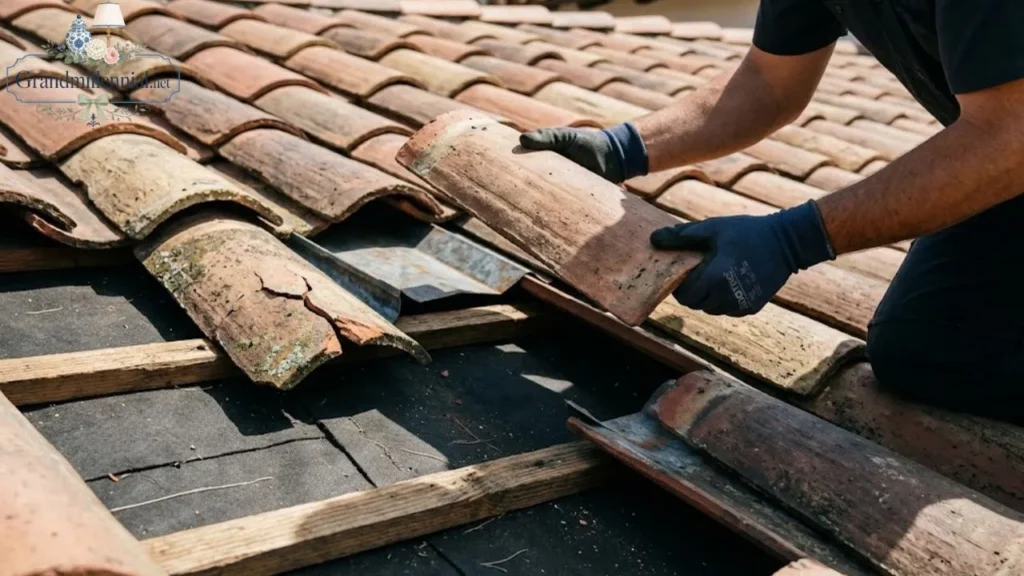
The roof is one of the most recognizable and potentially expensive parts of a Spanish-style home. Clay tiles can remain usable for decades, but that does not mean the entire roof system lasts equally long. The waterproof membrane beneath the tiles may fail while the visible clay remains in good condition.
Questions to Ask About the Roof
Find out:
- When the roof was last installed or lifted and reset
- What type of underlayment was used
- Whether original tiles were reused
- Who completed the work
- Whether permits were obtained
- Whether valley and chimney flashing was replaced
- Whether any active or previous leaks exist
- Whether compatible replacement tiles are available
A seller who says “the tiles are original and last forever” has not necessarily answered the important question. The condition of the underlying waterproofing matters just as much.
Visible Roof Warning Signs
From a safe location, look for:
- Broken tiles
- Slipped or uneven rows
- Missing tiles
- Heavy mortar repairs
- Mismatched replacement sections
- Plant growth
- Sagging roof areas
- Staining beneath roof edges
- Poor connections around chimneys
- Sealant used as a permanent repair
Never walk on an unfamiliar clay tile roof yourself. Tiles can break easily under incorrectly placed weight, and the roof may be unsafe. Hire an inspector or roofer who regularly works with clay tile rather than relying only on a general visual review from the ground.
Clay Versus Concrete Tile
Not every red barrel-shaped tile is clay. Many newer properties use concrete tile. Concrete products can be durable, but they differ in weight, aging, and appearance.
Confirm the material before estimating repair or replacement costs. If you plan to change from a lightweight roof to clay or concrete tile, structural review may be required because of the added load.
Examine Stucco Without Assuming Every Crack Is Serious
Cracking is common in plaster and stucco, but different cracks have different causes. Small surface cracks may result from shrinkage or ordinary movement. Wider, recurring, or diagonal cracks can indicate structural movement, water damage, or a poor connection between old and new construction.
Pay Particular Attention to These Areas
Inspect around:
- Window and door corners
- Chimneys
- Parapets
- Roof-to-wall connections
- Balconies
- Additions
- Exterior stairs
- Plumbing penetrations
- The bottom of exterior walls
- Areas below planters or irrigation lines
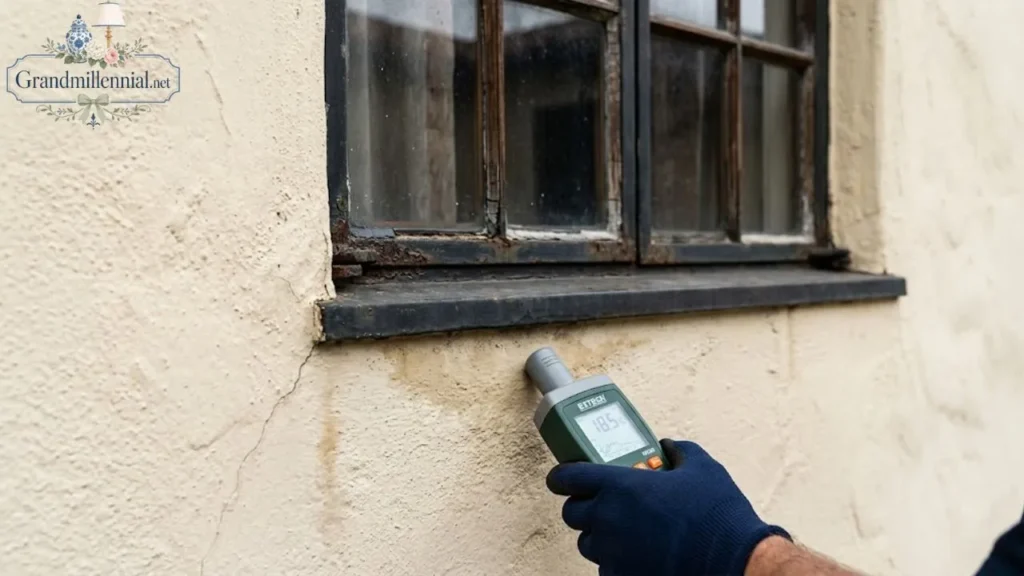
Dark staining, bubbling paint, or soft surfaces may indicate moisture behind the finish. Tap-testing can sometimes help identify hollow or delaminated areas, but diagnosis should be left to a qualified professional when significant deterioration is suspected.
Beware of Incompatible Repairs
An older house may have soft, breathable plaster or stucco that was later patched with a harder modern material. The repair may appear sound initially but behave differently from the surrounding wall. Cracks can form around its edges, and moisture may become trapped.
Matching wall repairs requires more than duplicating the paint color. Composition, thickness, texture, and vapor behavior may all matter.
Look Carefully at Windows and Doors
Original windows often make a major contribution to the appearance of historic Spanish style homes. Common types include:
- Steel casement windows
- Wood casement windows
- Wood double-hung windows
- Small fixed decorative windows
- French doors
- Heavy paneled or plank entrance doors
Age alone is not a reason for replacement.
Inspecting Steel Windows
Check for:
- Rust at frames and hinges
- Distorted sections
- Missing hardware
- Cracked glazing
- Failed putty
- Windows painted shut
- Water staining below openings
- Gaps around the frame
Many steel windows can be repaired by a specialist. Their thin profiles are difficult to reproduce with ordinary replacement products.
Inspecting Wood Windows and Doors
Look for:
- Soft or decayed wood
- Open joints
- Peeling paint
- Failed seals
- Missing weatherstripping
- Water damage at sills
- Insect activity
- Improperly fitted replacements
A sticking door does not automatically mean the foundation is failing. Paint buildup, humidity, and worn hinges can cause similar symptoms. However, several misaligned openings in the same part of the house may justify structural investigation.
Evaluating Replacement Windows
Poor replacement windows can reduce both performance and architectural value. Watch for:
- Thick frames that reduce the visible glass area
- False grids that do not match the original pattern
- Windows installed flush with the exterior wall
- Missing flashing
- Caulk used as the only water barrier
- Styles that do not suit the house
- Different window types across one façade
If replacements were installed recently, request permits, warranties, and installation details.
Check the Foundation and Structural System
Foundation problems are not unique to Spanish houses, but cracks can be less obvious beneath textured finishes and decorative flooring. The appropriate foundation assessment depends on the building’s age, construction, and location. Possible concerns include:
- Settlement
- Expansive soil
- Poor drainage
- Earthquake damage
- Unreinforced masonry
- Inadequate roof-to-wall connections
- Deteriorated timber
- Termite damage
- Altered load-bearing walls
- Unsupported additions
Inside the house, note:
- Sloping floors
- Cracks that continue through several materials
- Doors that swing open or shut by themselves
- Separation between walls and ceilings
- Cracked tile following a straight line
- New drywall patches in isolated areas
- Columns or walls that appear to have been removed
No single observation proves structural failure. The concern arises when several signs form a consistent pattern. When significant movement is suspected, consult a licensed structural engineer rather than relying solely on a contractor’s repair estimate.
Do Not Ignore Balconies, Exterior Stairs and Railings
Small balconies are common features on Spanish Revival and Mediterranean houses. They also require careful inspection because water can enter around floors, doors, railings, and wall connections. Look for:
- Rust stains
- Cracked tile or concrete
- Soft wood
- Loose railings
- Improvised supports
- Separation from the wall
- Staining on the surface below
- Inadequate drainage
- Sealant around railing posts
A decorative balcony may receive little daily use, but it still needs to be structurally safe. Exterior stairs should also be evaluated for stable treads, secure handrails, adequate lighting, and safe geometry.
Investigate Courtyard Drainage
A courtyard can be the emotional center of a Spanish-style house. It can also become a collection point for rainwater. Study the way its paving slopes. Water should not move toward doors, wall bases, or enclosed corners without drainage. Check for:
- Standing water
- High paving levels
- Blocked drains
- Disconnected downspouts
- Staining at wall bases
- Damp interior rooms beside the courtyard
- Planters built directly against exterior walls
- Irrigation spraying the building
- Cracks around fountains
If the courtyard sits above an interior room, garage or basement, waterproofing becomes even more important. Ask whether fountains, pools and irrigation systems have been tested for leaks.
Look Above the Ceiling
Spanish interiors often include exposed wood beams, but their function is not always obvious. Some beams are structural. Others are decorative boxes added during renovation. Inspect visible timber for:
- Cracks
- Sagging
- Moisture stains
- Insect holes
- Rot
- Improvised connections
- Excessive notching
- Electrical wiring cut into structural members
A naturally occurring surface crack in heavy timber may be harmless. Significant deflection or damage near connections requires professional evaluation. If decorative beams were added, determine whether they conceal wiring, ductwork, or previous ceiling damage.
Evaluate the Fireplace and Chimney
Fireplaces often serve as architectural focal points in Spanish style homes. Their appearance should not replace a safety assessment. Ask for inspection of:
- Firebox condition
- Flue liner
- Chimney masonry
- Exterior flashing
- Chimney cap
- Damper operation
- Previous repairs
- Clearance from combustible materials
- Gas connections, if present
Older fireplaces may not meet modern expectations for efficiency or seismic safety. Decorative tile and plaster can also hide altered openings or damaged masonry. If you plan to use the fireplace, obtain a specialized chimney inspection rather than assuming that a general home inspection is sufficient.
Check Plumbing, Electrical and Mechanical Systems
Historic character is visible. Aging infrastructure usually is not. A well-preserved house may still contain outdated systems requiring substantial investment.
Electrical
Investigate:
- Service-panel capacity
- Grounding
- Older wiring types
- Improper extensions
- Limited outlets
- Bathroom and kitchen protection
- Exterior wiring
- Concealed work completed without permits
Do not assume that a renovated kitchen means the entire electrical system has been modernized.
Plumbing
Ask about:
- Supply-pipe material
- Drain material
- Sewer condition
- Water pressure
- Previous leaks
- Water-heater age
- Drainage beneath slab areas
- Plumbing hidden inside exterior walls
A sewer camera inspection may be valuable for older properties, especially where mature trees grow near underground lines.
Heating and Cooling
Older Spanish houses were often designed around climate-responsive features such as shade, cross-ventilation, and thermal mass. These features can improve comfort, but they do not replace modern heating, cooling or humidity control in every climate. Evaluate:
- Equipment age
- Duct condition
- Room-to-room comfort
- Return-air pathways
- Ventilation
- Insulation
- Air leakage
- Space available for future upgrades
A house with thick-looking walls may still have limited insulation. Appearance does not reveal the construction assembly.
Determine Whether Renovations Respect the House
Alterations can improve usability, but they can also remove much of the property’s original value. Walk through the house and ask whether the renovation feels consistent. Warning signs include:
- Several unrelated flooring materials
- Oversized openings cut through original walls
- Modern windows with incorrect proportions
- Excessive arches added in recent work
- Original tile removed from focal areas
- Heavy synthetic wall texture
- Fake beams
- Unrelated decorative themes
- A kitchen that visually overwhelms the house
- Additions with awkward ceiling or floor levels
A respectful renovation does not need to reproduce the past. It should preserve meaningful features and introduce new work with appropriate scale and craftsmanship.
Review Additions and Converted Spaces
Garages, patios, balconies and service areas are frequently enclosed to create extra living space. Some conversions are well designed and permitted. Others have inadequate foundations, insulation, ventilation, or emergency exits. Examine:
- Changes in floor level
- Low ceilings
- Unusual wall thicknesses
- Exterior walls now located inside
- Rooflines that terminate awkwardly
- Different window styles
- Separate heating or cooling units
- Cracks where buildings connect
- Rooms accessed through another bedroom
- Inconsistent flooring hiding transitions
Compare the current layout with approved plans when possible. An unpermitted room can create insurance, financing, and resale complications even if it appears attractive.
Consider Historic-District Restrictions
Some Spanish Revival neighborhoods are protected by local preservation rules. These requirements may regulate:
- Window replacement
- Roof materials
- Exterior colors
- Demolition
- Front-yard walls
- Additions
- Solar-panel placement
- Mechanical equipment
- Door replacement
- Landscape changes
Historic designation can help protect neighborhood character, but it may also affect renovation cost and timing. Before purchasing, contact the relevant local authority and confirm which changes require review. Do not rely entirely on statements from the seller or agent.
Plan for Insurance Before Making an Offer
Insurance availability can materially affect the cost of ownership. Older homes may be more difficult to insure because of:
- Aging roofs
- Outdated electrical systems
- Wildfire exposure
- Earthquake risk
- Flood risk
- Historic construction
- Replacement-cost uncertainty
- Previous claims
- Unreinforced masonry
- Undocumented renovations
Obtain preliminary insurance quotations before removing important purchase conditions. Provide the insurer with accurate information about roof age, construction type, electrical upgrades, and square footage. A low quotation based on incorrect assumptions may change after inspection.
Separate Patina From Neglect
One of the pleasures of an older home is that it does not look new. Faded terracotta, uneven plaster, worn timber and small variations in handmade tile can contribute genuine character. Removing every sign of age may leave the property looking less distinctive.
Patina is generally associated with stable, gradual aging. Neglect involves ongoing deterioration. Examples of appealing patina may include:
- Soft color variation in roof tiles
- Minor wear on stone steps
- Gently aged wood
- Small imperfections in handmade tile
- Uneven but stable plaster texture
Possible neglect includes:
- Active leaks
- Loose masonry
- Rot
- Advanced corrosion
- Repeated structural cracking
- Unsafe railings
- Uncontrolled moisture
- Failed electrical components
The goal is not to make every old surface perfect. It is to stop damage while preserving material that remains sound.
Estimate Costs Before Deciding What to Change
A realistic renovation budget should distinguish essential work from optional design improvements.
Immediate Safety and Protection
These items usually come first:
- Active roof leaks
- Structural instability
- Unsafe electrical work
- Gas leaks
- Failed railings
- Major plumbing leaks
- Severe drainage problems
- Broken glazing
- Fire-safety issues
Building Performance
The next category may include:
- Roof underlayment
- Window repair
- Insulation
- Heating and cooling
- Water management
- Air sealing
- Sewer repairs
- Ventilation
Functional Improvements
These can include:
- Kitchen updates
- Bathroom work
- Storage
- Lighting
- Improved circulation
- Laundry facilities
- Courtyard access
Cosmetic Work
Painting, furniture, decorative lighting, and new finishes should normally follow the more important categories. A house that needs substantial hidden work may still be worth buying, but the purchase price and renovation plan should reflect that reality.
Specialists You May Need
A general home inspector provides an important overview, but some properties require additional expertise. Depending on the house, consider consulting:
- Clay tile roofing contractor
- Structural engineer
- Historic preservation architect
- Stucco or plaster specialist
- Window restoration professional
- Chimney inspector
- Electrician
- Plumber
- Sewer inspection company
- Termite or pest inspector
- Drainage consultant
- Insurance broker
- Historic-district staff member
Choose professionals familiar with the relevant materials. Someone who works mainly on new suburban construction may not recognize the repair possibilities of older steel windows or traditional plaster.
Questions to Ask Before Making a Final Decision
Use these questions to clarify whether the property suits your budget and expectations:
- What is original, and what has been replaced?
- When was the roof underlayment last renewed?
- Have major renovations received permits?
- Are visible wall cracks active or stable?
- Has the house experienced water intrusion?
- Are original windows repairable?
- Do additions have proper foundations and services?
- Are there historic restrictions?
- Can the property be insured at a reasonable cost?
- Which repairs are urgent?
- Which improvements can wait?
- Are local specialists available?
- Does the asking price account for the required work?
- Can the home support the way you intend to live?
- Are you comfortable maintaining older materials?
A Practical Pre-Purchase Checklist
Roof and Exterior
- Confirm roof material and age
- Inspect underlayment history
- Check flashing and penetrations
- Identify broken or slipped tiles
- Examine stucco cracks and staining
- Review exterior drainage
- Inspect balconies and railings
Interior
- Test windows and doors
- Look for uneven floors
- Check ceilings for water stains
- Inspect fireplace and chimney
- Review original finishes
- Note signs of recent concealment or patching
Systems
- Confirm electrical capacity
- Identify supply and drain materials
- Inspect sewer condition
- Test heating and cooling
- Review insulation and ventilation
- Confirm water pressure
Documents
- Obtain permit records
- Review renovation invoices
- Confirm property boundaries
- Check historic restrictions
- Request insurance quotations
- Review disclosures and previous claims
Renovation Potential
- Identify features worth preserving
- Estimate essential repairs
- Price specialist work
- Check approval requirements
- Allow a contingency for hidden conditions
When a Spanish-Style Home Is a Good Purchase
A Spanish-style property may be an excellent choice when:
- The primary structure is sound.
- Water problems are understood and manageable.
- The roof condition is accurately documented.
- Important original features remain intact.
- Renovations were completed responsibly.
- Necessary specialists are available.
- The maintenance requirements suit your budget.
- The plan supports your daily needs.
- You value craftsmanship and material variation.
A house does not need to be flawless. It needs to be understood.
When You Should Slow Down
Proceed carefully when:
- The seller cannot explain major renovations.
- Several serious problems appear freshly concealed.
- Roof information is vague.
- Additions do not appear in official records.
- Structural movement is visible in multiple areas.
- Insurance is difficult to obtain.
- Water enters from several sources.
- The renovation budget depends on optimistic assumptions.
- You dislike the home’s basic layout but love its decoration.
Paint, tile, and fixtures can be changed. Fundamental structural problems, poor orientation and an unsuitable floor plan are far more difficult to correct.
Final Thoughts
Buying a Spanish-style home requires both emotional appreciation and practical judgment. Its clay roof, plaster walls, old windows and courtyard may be precisely what makes the property special. Those same elements must be examined carefully because specialized repair can require time, skill, and money.
Do not reject a house simply because it shows age. Equally, do not assume that charm makes deterioration harmless. The right property is one whose character can be preserved without placing unrealistic demands on your budget.
When the structure is sound, the risks are understood, and the original materials remain repairable, an older Spanish home can offer something increasingly rare: architecture that feels personal, grounded and inseparable from its place.
Frequently Asked Questions
Are Spanish style homes expensive to maintain?
They can cost more to maintain when they contain clay roofing, custom windows, traditional plaster or decorative ironwork. Condition, age, and local specialist availability affect expenses more than architectural style alone.
How long does a clay tile roof last?
The visible tiles can remain serviceable for many decades, but underlayment, flashing, and fasteners may require replacement sooner. Buyers should ask about the entire roof system, not only the tiles.
Are cracks in stucco always serious?
No. Some cracks are cosmetic, while others may indicate movement, water damage, or poor construction. Their width, direction, location, and change over time help determine their significance.
Should I replace original steel windows?
Not automatically. Steel windows can often be repaired, reglazed, and weatherized. Replacement should follow a specialist condition assessment.
What is the biggest hidden risk when buying a Spanish-style house?
Water intrusion is one of the most important risks. It may originate at roof flashing, windows, balconies, parapets, courtyards, or poorly drained wall bases.
Can I remodel a historic Spanish house?
Usually, but alterations may require approval if the property is designated or located within a historic district. Local rules should be reviewed before purchase.
How can I tell whether a Spanish home addition is permitted?
Request permit records and compare approved plans with the existing house. Differences in rooflines, floors, windows, and heating systems may indicate a later conversion or addition.
Are old Spanish homes energy-efficient?
Some traditional features provide shade and temperature moderation, but an older house may still have limited insulation, air leakage, or inefficient equipment. A whole-building energy assessment gives a more reliable answer.