

Quick answer: If you want to know how to sell my home fast, do four things in order. Choose your sale route (agent, cash buyer, or iBuyer), price at or just under recent comparable sales, fix and clean only what buyers will notice, and launch with strong photos and flexible showings. Speed usually costs some profit, so compare offers by what you keep, not by the headline price.
[IMAGE 1 goes here: hero. A bright, tidy living room with a “for sale” sign visible through the window]
Selling a house is stressful at the best of times. Selling one quickly adds a clock that ticks loudly. Maybe you have a new job in another city, a mortgage you can’t carry, an inherited property,y or a divorce on the calendar.
Whatever the reason, searching for how to sell my home fast mostly turns up advice written by someone who wants to buy your house or lend you money. This guide tries to be different. It lays out the fast routes, what each one costs you, and a plan you can follow starting today.
What “fast” really means
Fast is relative, and how to sell my home fast depends on what you count as sold. A cash buyer may close in a couple of weeks. A traditional listing takes longer because you wait for showings, offers, a buyer’s loan approval,l and closing.
Bankrate, citing the National Association of Realtors, reported an average of 29 days on the market nationwide in April 2025. It also cited Redfin data showing a median of about 40 days for single-family homes. Those numbers cover time on the market only, before the closing period.
Mortgage closings add more time. A report quoted by Opendoor, from ICE Mortgage Technology, put the average mortgage closing at around 43 days in 2025. Check these figures for your own area, since local markets differ a lot.
So when someone says “sell in a week,” ask what they mean. Is it a signed offer, or money in your account?
Pick your route before you do anything else
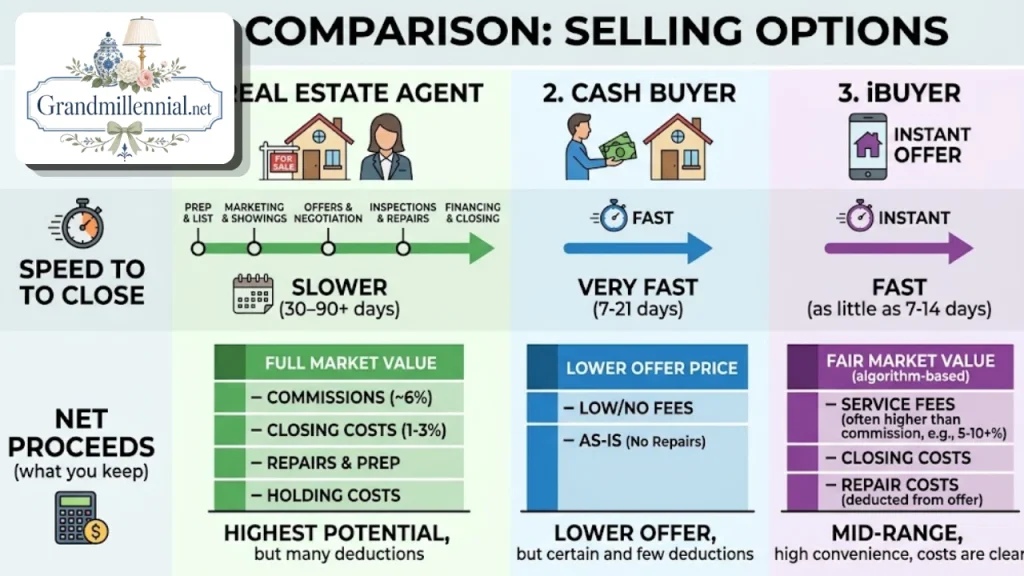
The biggest speed decision is who you sell to. Each route trades time against money.
| Route | Typical speed | What you keep | Watch out for |
|---|---|---|---|
| Listing agent on the open market | Slower; depends on your market | Usually the highest price, minus commission | Longer timeline; showings and buyer financing |
| Cash home buyer or investor | Often a few weeks | Usually a lower price, but fewer fees | Lowball offers; non-negotiable terms; scams |
| iBuyer (online instant offer) | Offers often within days | Lower price plus service fees | Limited areas; fees vary; terms differ |
| For sale by owner (FSBO) | Varies widely | No listing agent commission | You handle pricing, marketing and paperwork |
Bankrate notes that cash buyers and iBuyers typically close in weeks, while agent sales vary by market. It also warns that cash offers can be low and hard to negotiate.
That is why many sellers get a cash or iBuyer offer as a benchmark, then compare it against what a listing would likely net. The offers cost nothing to request in most cases.
If speed truly matters most, tell any agent you interview. A good one will plan around your deadline.
Price it to sell, not to hope
If you remember one line about how to sell my home fast, make it this: price is the lever with the most power. Buyers compare your house against every other listing, and an overpriced home sits while newer ones take the attention.
Start with comparable sales, or comps. These are similar homes sold nearby in the last few months, with similar size, age and condition. Your agent can pull them, and public listing sites show recent sales too.
Pricing at or slightly below the comps tends to draw early interest. Bankrate suggests pricing a little under market value to attract quick offers and possibly a bidding war. That can work, but it is a gamble with your equity.
Here is a simple way to think about it. If your home is worth about the same as the three best comps, pricing a touch below them may bring several offers. Pricing well below them costs you money without a guarantee of more offers.
Avoid the trap of chasing your emotional number. What you paid, what you spent on the kitchen,n and what your neighbor hoped for don’t set the price. Buyers do.
When to cut the price
If you get no showings in the first week or two, the price or the photos are the problem. If you get showings but no offers, the price or the condition is the problem. Change one thing at a time and give it a few days.
Cutting early is cheaper than cutting late. A listing that has gone stale makes buyers wonder what is wrong with it.
Fix only what matters
You don’t need a renovation. You need to remove reasons for a buyer to hesitate or ask for money off.
Walk through the home as a stranger would. Look for peeling paint, leaking faucets, loose tiles, sticky doors, burnt-out bulbs, and cracked outlet covers. These small items signal neglect even when the house is sound.
Skip big projects unless the problem is serious. A buyer is unlikely to pay back the full cost of a full remodel, and a remodel takes weeks you don’t have. Our renovation tips can help you judge which updates are worth the effort.
Consider a pre-listing inspection
Bankrate suggests a pre-listing inspection so major problems surface before buyers find them. It is not required, and costs vary by region. It can prevent a last-minute renegotiation that kills your timeline.
If the inspector finds something big, you can fix it, price for it or disclose it. A known issue is easier to handle than a surprise.
Selling as-is
An as-is sale means you won’t make repairs. It can be a sensible route when you lack time or cash. Expect a lower price, and expect buyers to inspect carefully.
Disclosure rules still apply in most places. Ask a local real estate attorney or your agent what you must disclose.
Declutter, clean, and depersonalize
Buyers need to picture their own life in your rooms. Family photos, bold collections, and piles of belongings get in the way.
Start by packing anything you don’t need for the next month. Clear counters, shelves and the tops of cabinets. Clear closets halfway so they look roomy.
Then clean like a professional would. Wash windows, scrub grout, wipe light switches and vacuum corners. Deal with pet or cooking smells, because smell is one of the first things people notice.
If you have hardwood floors, a deep clean makes a big difference. Our guide on cleaning hardwood floors safely shows how to bring them back without damage.
Rent a storage unit or ask a friend to hold boxes. Moving things out of the house also gets you ahead on packing.

Staging and curb appeal on a budget
Staging is simply arranging the home to look its best. It doesn’t have to be expensive. The National Association of Realtors’ 2024 Profile of Home Staging, as quoted by Opendoor, found that 81 percent of buyers’ agents said staging helps buyers visualize the home as their future home.
Focus your effort on the living room, kitchen, and primary bedroom. These are the rooms that sway buyers most.
Light and color
Open every curtain and turn on every lamp for showings. Dark rooms feel small. If your windows look tired, fresh, simple window treatments can lift a room. See our guide to custom curtains for ideas.
Neutral paint helps. Soft whites, greiges, and warm beiges appeal to most buyers. Bankrate lists neutral paint among its quick fixes. If you paint, do it before photos.
Furniture and layout
Pull furniture off the walls a little and create clear walking paths. Remove extra pieces so rooms look larger. A simple, cozy seating arrangement shows how the room works. Our guide to creating a cozy living room has easy layout ideas that photograph well.
Tired furniture can be refreshed rather than replaced. A coat of paint on an old dresser or side table can look new. Our guide on painting furniture without sanding shows a quick method.
Walls and small touches
Keep walls simple. A few well-placed pieces beat a crowded gallery. If you need ideas, see how to decorate walls without overdoing it.
Add one or two fresh touches: a bowl of lemons, a plant, clean white towels in the bathroom. They cost little and make the home feel cared for.
Curb appeal
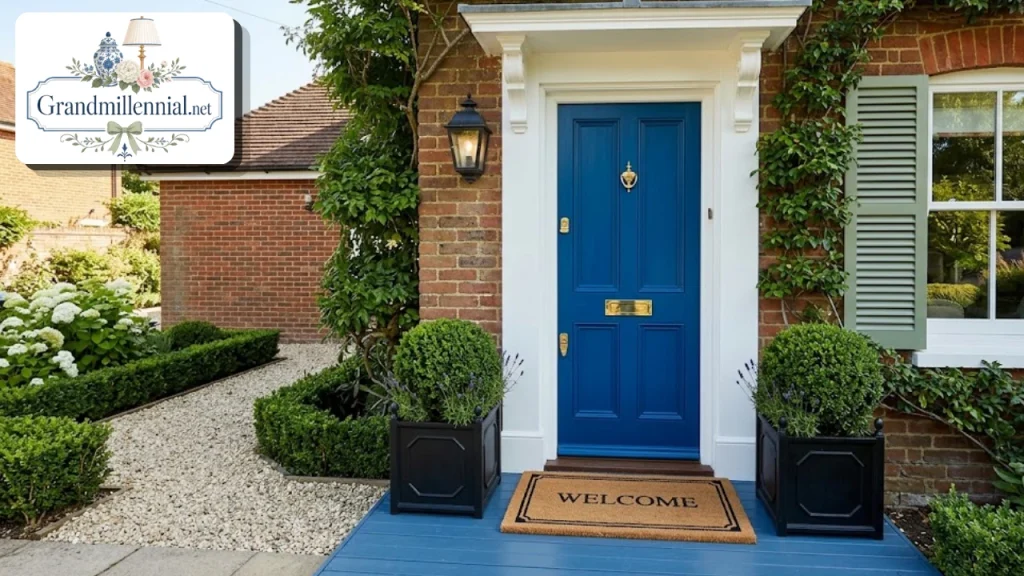
Buyers decide a lot before they step inside. Mow the lawn, trim shrubs, sweep the walkway and pull weeds. Wash the front door and consider a fresh coat of paint on it. Bankrate and other sellers’ guides both list curb appeal among the cheapest ways to improve first impressions.
Make sure the house number is visible, and the entry is well lit. Add a clean doormat and a simple potted plant by the door.
Photos, your listing and launch week
Over 95 percent of buyers use the internet in their search, according to NAR figures quoted by Opendoor. Your photos are your first showing.
Hire a professional photographer if you can. If not, shoot in daylight with a steady camera, wide but natural angles, and every light on. Take photos of the best rooms first and cover the outdoor space.
Floor plans and a virtual tour help out-of-town buyers, and Bankrate recommends them as a speed tool. They also cut down on unserious visitors.
Write the description like a person. Lead with the strongest features, such as light, location, a renovated kitchen or a quiet street. Be honest about size and condition, because misleading text wastes everyone’s time.
The first week matters most
New listings get the most attention at the start. Be ready on day one: clean, staged, photographed, and priced.
Share the listing with friends and neighbors, and ask your agent for an open house or broker preview in the first days. A burst of interest early can create competing offers.
Choosing an agent when speed matters
If you list, the agent matters as much as the price. Interview at least two. Ask how many homes they sold in your neighborhood recently, how long those took, and how close the final prices were to the asking prices.
Ask how they plan to market your home in the first week, and who handles photography and showings. A confident answer with specifics beats a vague promise.
Be upfront about your deadline. A good agent will build a plan around it, including when to adjust the price if offers don’t arrive.
Ask about fees in writing, including commission, any marketing costs, and what happens if you cancel. Clear terms now prevent arguments later.
Special situations: inherited, relocating or short on cash
An inherited home often comes with paperwork, shared owners and a house full of belongings. Sort out who has legal authority to sell first, and ask an attorney about probate and title. Selling as-is to an investor can be a practical choice when nobody can manage repairs.
If you are relocating for work, timing is the pressure. Line up your sale and your purchase together, and ask your agent about flexible closing dates or a rent-back, where you stay briefly after closing.
If you can’t afford repairs, be honest about it. Price for the condition, disclose known problems, and target buyers who want a project. A realistic price on an as-is home can beat a high price that sits for months.
If you are behind on your mortgage, speak to your lender or a housing counselor early. Options exist, and acting sooner usually leaves you with more of them.
Showings: say yes as often as you can
Every refused showing is a lost buyer. Allow evenings, weekends, and short-notice visits when you can.
Use a lockbox or a simple routine so leaving the house is easy. Keep a “ready” kit: a basket for last-minute clutter, a spray for the kitchen and a list of lights to switch on.
Take pets with you. Even friendly dogs distract buyers, a nd some people are nervous around animals.
Leave valuables and medications locked away. Don’t hover during the visit, since buyers talk more freely when you are not there.
Reading offers: compare what you keep
An offer is more than a price. Look at the closing date, the financing type, any contingencies, repair requests and who pays which costs.
A lower price with cash and no contingencies can beat a higher price that depends on a loan, an appraisal and a home sale. Financing problems are a common source of delay.
Ask each buyer’s agent for proof of funds or a lender pre-approval letter. Be wary of an offer that comes with vague financing.
Build a simple net sheet for each offer. List the price, then subtract agent commissions, service fees, closing costs, repairs you agreed to and any concessions. What is left is what matters.
Don’t be pushed into accepting an offer by a short deadline unless you have already compared others. A genuine buyer will usually give you a reasonable window.
Slow market tactics
If the market is slow, speed takes more effort. Competing with other listings means you need a sharper edge.
Offer to pay part of the buyer’s closing costs or a needed repair. Bankrate lists concessions as a way to tempt buyers. A home warranty can also reassure nervous buyers.
Be open to a price adjustment sooner rather than later. Consider adding flexibility on the closing date, which can matter to buyers who need time to sell their own home.
Ask your agent how many comparable homes are for sale and how long they have lingered. That tells you where you stand.
Timing can help too. Redfin data discussed in one lender guide suggested summer months have often had the shortest median days on market, and many guides point to spring as a strong season. Local patterns vary, so ask an agent what happens in your town.
Scam and red-flag checklist
Sellers in a hurry are targets. A few warning signs are worth knowing.
Be careful if a buyer asks for money upfront, pushes you to sign quickly, won’t put offers in writing, or refuses to name the company or its address. Never sign a contract you don’t understand.
Watch out for contracts that tie up your house for a long period or include hidden fees. Some “we buy houses” companies assign contracts to others, and the final buyer isn’t who you were talking to.
Verify any company before dealing with it. Check its business registration, read reviews and ask for references. A real estate attorney can review a contract before you sign.
Use a reputable title or escrow company to handle closing funds. Never wire money to an account you haven’t confirmed by phone with a number you looked up yourself.
Costs, taxes and paperwork
Expect costs on any sale. These can include agent commissions, closing fees, transfer taxes, repairs, and moving costs. Amounts depend on where you live, so ask for written estimates.
Taxes can matter. In the United States, there are rules about capital gains on a home sale, and an exclusion may apply if you lived in the home long enough. Quicken Loans notes that the exclusion may not apply if you lived there for less than two years. Speak to a tax professional about your case.
Gather documents early: the deed, mortgage statement, recent utility bills, warranties, and records of repairs and improvements. Having them ready speeds up closing.
If you still owe on the mortgage, ask your lender for a payoff statement. If you need to buy another home at the same time, tell your agent so the timelines can be matched.
This guide is general information, not legal, tax or financial advice.
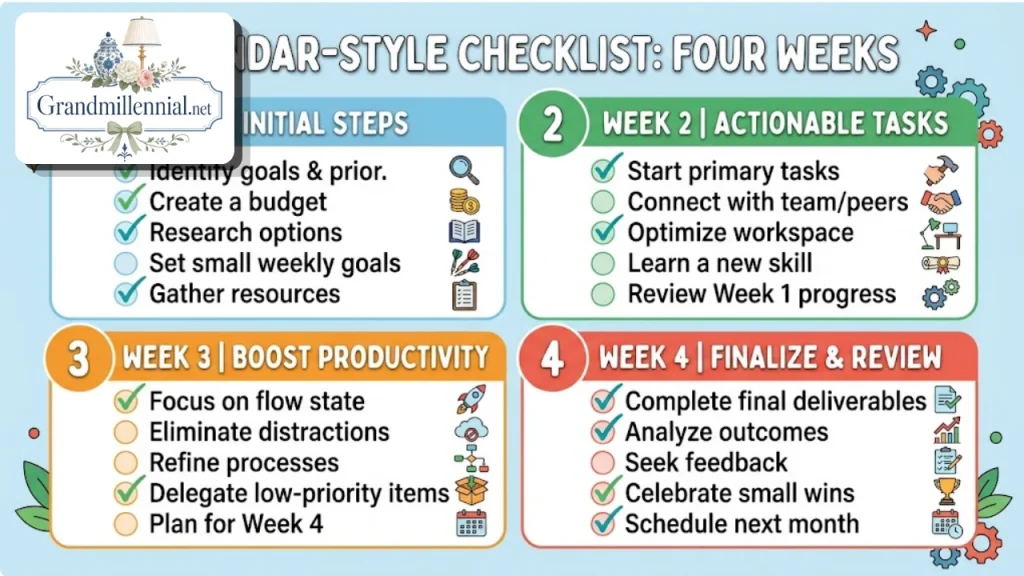
A 30-day plan
Days 1 to 3: Decide your route. Request a cash or iBuyer offer if you want a benchmark. Interview two or three agents and ask for comps.
Days 4 to 10: Declutter, clean and complete small repairs. Paint where needed. Gather your documents.
Days 11 to 14: Stage the main rooms, fix curb appeal and book photography.
Days 15 to 17: Finalize price, finish the listing,g and prepare showing instructions.
Days 18 to 24: Go live. Hold an open house or broker preview. Respond fast to every inquiry.
Days 25 to 30: Review offers using your net sheet, negotiate and accept the best one. Start inspection and appraisal steps right away.
This is a model, not a promise. Many sales take longer, and some take less.
Mistakes that slow a sale
The most common mistake is overpricing. It can cost you the strongest weeks of interest.
Another is refusing to prepare the house. A messy home with poor photos gets fewer visits.
Some sellers skip comparing options. They accept the first offer from a cash buyer without checking what a listing could bring.
Others pile on too many renovations at the wrong time. Big projects eat weeks and rarely return every dollar.
Finally, many sellers forget to plan their own move. Know where you are going before your closing date.
Anyone asking how to sell my home fast should treat speed as a plan, not a rush. A careful week of preparation often saves a month on the market.
FAQs:
What is the fastest way to sell a house?
Selling to a cash buyer or iBuyer is usually the quickest, often closing in weeks, but offers tend to be lower. A well-priced listing with a good agent can also move quickly.
How can I sell my house in 30 days?
Price at or just under comps, prepare and photograph the home before you list, allow flexible showings, and consider accepting an offer from a buyer with strong financing or cash.
Should I accept a cash offer?
Only after comparing what you would net from a listing. Cash offers are fast and fee-light, but often lower, so check the total you keep.
What month do houses sell fastest?
Many sources point to spring and early summer, though local markets vary. A local agent can show you your area’s pattern.
Should I lower my price to sell faster?
Pricing at or slightly below comparable sales can speed a sale. Dropping far below market costs equity, so use comps rather than guesses.
Do I need to make repairs before selling?
Fix small, visible problems and anything that would fail an inspection. You can also sell as-is at a lower price if time or money is short.
How can I avoid “sell my house fast” scams?
Verify the company, read the contract, never pay upfront fees, and have an attorney review any agreement. Use a trusted title company for the closing.
Does staging really help?
Yes. A 2024 NAR staging profile, quoted by Opendoor, reported that 81 percent of buyers’ agents said staging helps buyers visualize the home as theirs.