

A railing is one of the first things people notice when they look at a balcony from outside. It creates a visual boundary between the building and the open space, which means its design has a much bigger impact than its size suggests.
A poorly chosen railing can make an expensive home feel outdated. A well-designed one can make a simple exterior look intentional and professionally designed. But aesthetics are only one part of the decision. A balcony railing has to perform several jobs at the same time:
- protect people from accidental falls
- withstand outdoor conditions
- remain stable under everyday use
- match the home’s architectural style
- require a realistic level of maintenance
Many homeowners focus heavily on the appearance because that is what they can see. The hidden parts — anchors, materials, coatings, fasteners, and installation quality — often determine whether the system performs well after five or ten years.
A beautiful railing with poor structural support can become a serious problem. A simple-looking railing with excellent engineering can remain reliable for decades. The goal is not to find the most expensive option. The goal is to find the option that fits the building.
The 7 Things to Consider Before Choosing a Balcony Railing
Before comparing materials, think about these seven factors. They will narrow your options much faster than browsing hundreds of design photos.
Safety Requirements Come First
A balcony railing is a protective barrier before it is a decorative feature. Building regulations vary depending on location, property type, and whether the project is residential or commercial. In many jurisdictions, balcony guards have requirements related to:
- minimum height
- opening sizes
- structural strength
- load resistance
- material suitability
For example, many residential codes limit openings so that young children cannot easily pass through them. However, compliance alone should not be the only consideration.
Real homes contain furniture, toys, pets, planters, and everyday activities. A design that technically meets requirements may still need thoughtful evaluation. Questions to ask:
- Is the railing easy to climb?
- Could furniture be placed near the edge?
- Will children use the balcony?
- Are pets part of the household?
- Does the installation provide enough structural support?
Safety is not only about the railing design. It is also about how people interact with the space.
Understand Your Weather Conditions
The same railing material behaves differently depending on the environment. A balcony in a dry inland climate has different challenges compared with one near the ocean. Consider:
Coastal Areas
Salt air accelerates corrosion. Better choices often include:
- marine-grade stainless steel
- high-quality aluminum
- corrosion-resistant hardware
Rainy Regions
Water management becomes important. Look for:
- proper drainage
- protected connections
- durable finishes
Extremely Sunny Areas
UV exposure can affect:
- coatings
- wood finishes
- some plastic components
Cold Regions
Freeze-thaw cycles can affect:
- fasteners
- joints
- coatings
- surrounding materials
The best railing is not necessarily the strongest-looking one. It is the one designed for its environment.
Match the Railing With Your Home Style
A railing should feel like part of the architecture. Think of it like a window frame or exterior door. It should support the overall design language.
Modern Homes
Popular choices:
- frameless glass
- black aluminum
- stainless steel cable
- minimalist metal profiles
These designs create clean lines and reduce visual clutter.
Traditional Homes
Better options may include:
- decorative metal
- wood railings
- classic vertical balusters
These provide a more timeless appearance.
Rustic or Farmhouse Homes
Common combinations:
- timber handrails
- dark metal frames
- cable systems mixed with wood
The strongest designs usually repeat materials already found on the house. For example: A home with black window frames often looks better with a dark railing system. A house with timber accents may benefit from a wooden top rail.
Decide Between View and Privacy
One of the biggest design decisions is deciding what matters more: maximum openness or increased privacy. A completely transparent railing can make a small balcony feel larger because the eye continues beyond the edge. This is why glass systems are popular for:
- ocean views
- mountain homes
- city apartments
- luxury properties
However, not every balcony benefits from complete transparency. If your balcony faces:
- another building
- a busy street
- neighboring homes
privacy may become more valuable. Options include:
- frosted glass
- tinted panels
- decorative screens
- vertical slats
- partial privacy sections
A good design does not always maximize openness. Sometimes comfort matters more than visibility.
Think About Maintenance Before Installation
Many homeowners ask: “Which railing looks best?” A better question is: “How much maintenance am I realistically willing to do?” Every material requires some level of care.
Glass
Advantages:
- premium appearance
- excellent views
- modern style
Maintenance:
- regular cleaning
- mineral deposit removal
- checking fittings
Aluminum
Advantages:
- low maintenance
- corrosion resistant
- many finish options
Maintenance:
- occasional cleaning
- inspection of coating damage
Wood
Advantages:
- warm appearance
- natural character
Maintenance:
- sealing
- staining
- checking for moisture damage
Steel
Advantages:
- strength
- design flexibility
Maintenance:
- protecting against corrosion
- repairing coating damage
The cheapest option initially may not be the cheapest after years of ownership.
Consider Your Budget Realistically
The final price depends on much more than the material. Important cost factors include:
- total railing length
- balcony shape
- number of corners
- installation difficulty
- access conditions
- custom fabrication
- hardware quality
- structural repairs
A straight balcony with standard sections is usually easier than a complex design with curves, multiple levels, or unusual mounting requirements. Premium materials also increase costs because of:
- specialized installation
- engineered components
- custom sizing
- finishing requirements
Before choosing a material, decide whether your priority is:
- lowest upfront cost
- lowest lifetime cost
- premium appearance
- maximum durability
Think About Future Changes
A railing may remain on your home for decades. Consider future needs:
- Will you add privacy screens?
- Will you install lighting?
- Will you add planters?
- Will the balcony flooring change?
- Could the property be sold later?
A flexible system can be more valuable than a design that only works for today’s needs.
Popular Balcony Railing Materials Compared
There are many railing materials available, but five options dominate residential projects:
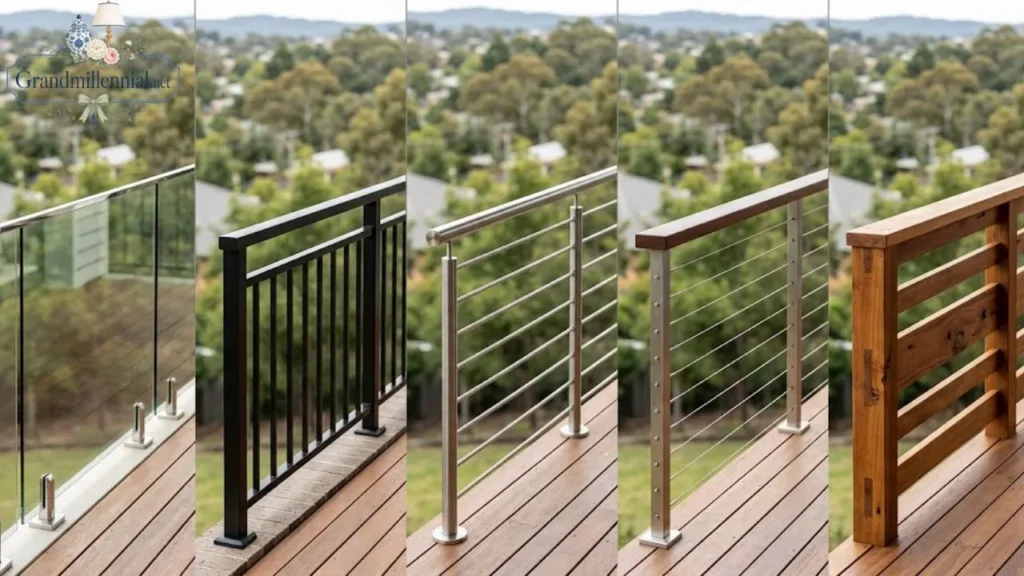
- glass
- aluminum
- stainless steel
- cable
- wood
Each creates a different experience.
Glass Balcony Railing: Best for Open Views
Glass railing has become one of the most popular choices in modern architecture. Its biggest advantage is simple: It almost disappears. A clear glass system allows homeowners to enjoy:
- ocean views
- gardens
- city landscapes
- natural surroundings
without a traditional barrier interrupting the view.
Benefits of Glass Railing
Modern Appearance
Glass creates a clean architectural look. It works especially well with:
- contemporary homes
- luxury apartments
- minimalist designs
Makes Small Balconies Feel Larger
Because there is less visual interruption, compact balconies often feel more open.
Allows More Natural Light
Glass does not create heavy shadows like solid barriers.
Challenges of Glass Railing
Glass is not maintenance-free. Common issues include:
- fingerprints
- rain marks
- dust
- mineral deposits
Homes near water often require more frequent cleaning. The quality of installation also matters significantly. Important components include:
- glass specification
- support system
- fittings
- drainage
- structural attachment
A glass panel is only as reliable as the system holding it.
Aluminum Balcony Railing: The Practical Choice
Aluminum has become extremely popular because it balances:
- appearance
- durability
- cost
- maintenance
It is especially useful for homeowners who want a clean exterior without regular repainting.
Why Aluminum Works Well
Resistant to Rust
Unlike traditional steel, aluminum does not develop ordinary rust corrosion.
Lightweight
This can simplify handling and installation.
Many Design Options
Available styles include:
- vertical pickets
- horizontal lines
- decorative panels
- glass combinations
Limitations
Aluminum is not indestructible. Potential concerns:
- coating damage
- poor-quality finishes
- unsuitable hardware
A quality powder-coated system usually performs much better than a cheap painted product.
Stainless Steel Balcony Railing: Premium Strength
Stainless steel creates a refined architectural appearance. It is commonly used with:
- glass panels
- cable systems
- modern homes
Its thin profiles create a premium minimalist look.
Advantages
- strong
- elegant appearance
- suitable for contemporary designs
- durable when properly specified
Important Consideration
Not all stainless steel performs equally. Environmental exposure matters. A railing installed near the ocean may require higher-grade stainless components than one installed in a protected inland location. The visible railing is only part of the system. Fasteners and connectors matter too.
Cable Balcony Railing: Maximum Openness
Cable railing uses thin stainless cables instead of traditional bars or panels. It is popular because it creates a lightweight appearance. Common applications include:
- modern homes
- decks
- mountain properties
- balconies with scenic views
Advantages
- minimal visual obstruction
- contemporary style
- works well with wood or metal frames
Things Homeowners Often Miss
Cable systems require careful installation. Important factors:
- proper tension
- strong corner posts
- correct spacing
- quality hardware
A poorly installed cable system can lose its clean appearance over time.
Wooden Balcony Railing: Natural Character
Wood remains popular because no manufactured material completely replaces its warmth. It works beautifully with:
- cabins
- traditional homes
- farmhouse designs
- natural landscapes
Benefits
- warm appearance
- easy customization
- natural texture
Challenges
Outdoor wood requires attention. Potential issues:
- moisture absorption
- cracking
- fading
- insects
- finish deterioration
A wood railing is a great choice for homeowners who appreciate natural materials and are comfortable maintaining them.
Modern Balcony Railing Designs That Work With Different Homes
A railing should not be selected separately from the building. The strongest exterior designs treat the railing as an architectural element that connects the balcony with the rest of the home.
A modern balcony railing is not defined only by expensive materials. It is defined by proportion, simplicity, and how naturally it fits the surrounding space. Below are practical design directions that work across different property styles.
Frameless Glass Designs for Luxury and Minimalist Homes
Frameless glass railings are often associated with premium architecture because they create the feeling of an uninterrupted edge. They work especially well for:
- modern villas
- high-rise apartments
- homes with landscape views
- properties with large windows
The main design advantage is visual continuity. Instead of seeing a barrier, the eye focuses on:
- the garden
- ocean
- skyline
- mountains
- outdoor space
However, the clean appearance depends heavily on installation quality. Visible brackets, uneven alignment, poor glass spacing, or unsuitable hardware can reduce the premium effect. A successful glass design usually depends on:
- accurate measurements
- quality glazing systems
- professional alignment
- appropriate glass specification
Black Metal Railings for Contemporary Homes
Black metal has become one of the most popular exterior design choices because it creates contrast without overwhelming the architecture. It works well with:
- white exterior walls
- wood siding
- stone finishes
- modern farmhouse designs
Popular styles include:
- vertical metal bars
- thin rectangular frames
- geometric patterns
- mixed metal and wood combinations
The advantage of black metal is versatility. It can look:
- industrial
- modern
- elegant
- traditional
depending on the surrounding design. The main consideration is the finish quality. A poor coating can fade, chip, or expose the metal underneath.
Cable Railings for Scenic Properties
Cable railing is particularly effective when the surrounding environment is the main attraction. Examples:
- hillside homes
- lake houses
- countryside properties
- rooftop terraces
The thin cables reduce visual interruption while still creating a defined safety barrier. A common mistake is choosing cable only because it looks simple. The system still requires:
- correct cable tension
- strong posts
- proper spacing
- suitable hardware
The beauty comes from engineering precision.
Wood and Metal Combination Designs
One of the strongest current design trends is mixing natural and industrial materials. Examples:
- black steel posts with timber handrails
- aluminum frames with wood accents
- cable systems with hardwood tops
This approach works because it balances two qualities: Metal provides:
- durability
- structure
- modern appearance
Wood provides:
- warmth
- texture
- natural character
This combination is especially effective for homes that feel modern but not cold.
Privacy-Focused Balcony Designs
Not every homeowner wants an open view. Urban properties often need privacy more than transparency. Useful options include:
Frosted Glass
Provides:
- daylight
- privacy
- modern appearance
Decorative Metal Panels
Can create:
- artistic patterns
- partial screening
- architectural interest
Vertical Slats
Useful for:
- side privacy
- reducing direct views from neighbors
The best privacy solutions usually avoid completely blocking the balcony. A balance between openness and comfort creates a more usable outdoor space.
How Much Does a Balcony Railing Cost?
The cost of a railing project varies significantly because many factors influence the final price. A simple material comparison is not enough. Two homeowners may choose the same material but receive completely different quotes because of:
- balcony size
- installation difficulty
- access problems
- custom fabrication
- existing damage
- hardware quality
- local labor rates
Typical cost factors include:
Material Cost
Generally: Lower-cost options:
- basic wood
- standard aluminum systems
Mid-range options:
- steel
- cable systems
Premium options:
- frameless glass
- custom architectural systems
Installation Cost
Installation can increase significantly when:
- the balcony is high above ground
- old railing must be removed
- structural repairs are needed
- waterproofing must be protected
- custom measurements are required
Customization Cost
Prices increase with:
- unusual shapes
- curves
- special finishes
- custom glass sizes
- decorative patterns
A straight standard balcony is usually much easier than a complex architectural design.
Long-Term Cost Matters
A cheaper railing is not always cheaper. Example: A low-cost wood railing may require:
- staining
- sealing
- repairs
A higher-quality aluminum system may cost more initially but require less attention over many years. Think about: installation cost + maintenance cost + replacement risk rather than only the first invoice.
Balcony Railing Installation: What Homeowners Should Know
Many railing problems happen because homeowners focus only on the visible design. The hidden installation details often decide performance. Important installation considerations include:
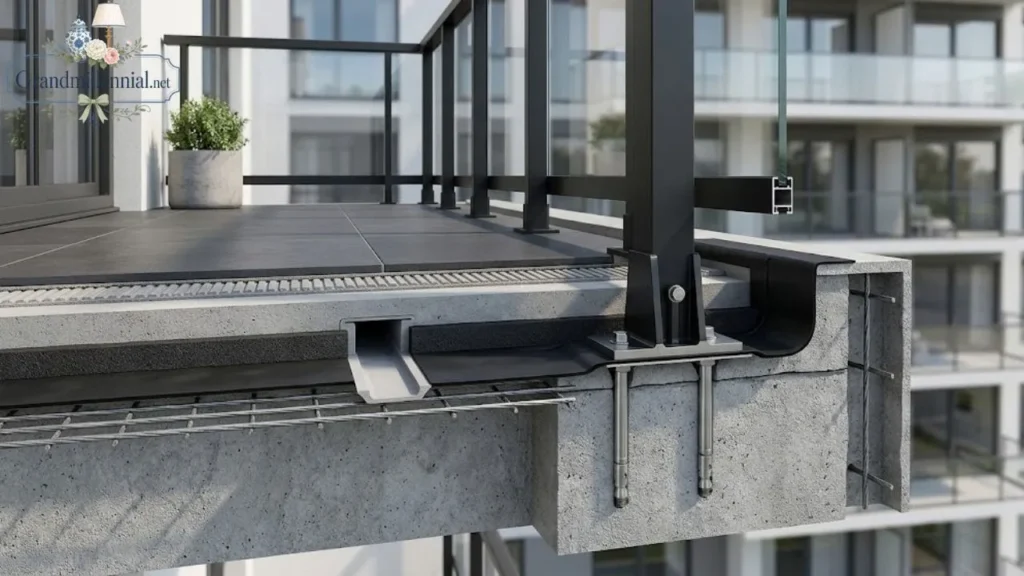
Structural Support
A railing must connect to a strong structure. A beautiful post attached incorrectly can create a safety issue. Professionals usually evaluate:
- framing
- concrete strength
- mounting location
- fastener suitability
Waterproofing Protection
Balconies often sit above occupied areas. Incorrect drilling or poor sealing can allow water intrusion. Important details include:
- proper flashing
- sealed penetrations
- drainage planning
Accurate Measurements
Small measurement errors can create:
- uneven spacing
- poor alignment
- installation delays
Final measurements should usually happen after confirming:
- finished flooring
- wall conditions
- post locations
Professional vs DIY Installation
DIY installation may work for some simple manufactured systems. However, professional installation is strongly recommended for:
- glass systems
- elevated balconies
- structural modifications
- waterproof surfaces
- custom designs
The railing is a safety component. Installation quality matters as much as the material.
Common Balcony Railing Mistakes to Avoid
Choosing Based Only on Appearance
A railing may look perfect online but fail in your environment. Example: A coastal home choosing untreated steel because it looks attractive may create maintenance problems later.
Ignoring Maintenance Requirements
Every material has responsibilities. Ask:
- How often must it be cleaned?
- Does it need repainting?
- Are replacement parts available?
- Will weather affect the finish?
Using Low-Quality Hardware
Many homeowners compare visible materials but ignore:
- screws
- brackets
- connectors
- anchors
Hardware failure can affect the entire system.
Forgetting Future Lifestyle Changes
Consider:
- children growing up
- pets
- furniture placement
- outdoor entertaining
- privacy needs
A good railing should support how you actually live.
Mixing Styles That Fight the Architecture
A traditional home with an ultra-industrial railing may look disconnected. The railing should enhance the building, not compete with it.
Choosing the Best Balcony Railing for Different Situations
Best Option for Ocean or Coastal Homes
Recommended:
- marine-grade stainless steel
- quality aluminum
- corrosion-resistant hardware
Reason:
Salt exposure makes material selection extremely important.
Best Option for Small Balconies
Recommended:
- glass railing
- cable railing
Reason:
They reduce visual barriers and make compact spaces feel larger.
Best Low-Maintenance Choice
Recommended:
- powder-coated aluminum
Reason:
It provides durability with minimal routine care.
Best Premium Luxury Appearance
Recommended:
- frameless glass
- stainless steel combinations
Reason:
They create clean architectural lines.
Best Traditional Home Choice
Recommended:
- wood
- decorative metal
Reason:
They complement classic architecture better.
Final Buying Checklist Before Installing a Balcony Railing
Before making the final decision:
✓ Confirm local safety requirements
✓ Measure the balcony correctly
✓ Check structural support
✓ Consider climate exposure
✓ Decide between view and privacy
✓ Compare maintenance needs
✓ Review hardware quality
✓ Consider long-term ownership cost
✓ Choose a style matching the architecture
✓ Work with qualified installers when required
A railing is not just an edge around a balcony. It is part of how a home looks, feels, and functions every day. The right choice combines safety, durability, design, and practicality.
Frequently Asked Questions About Balcony Railing
What is the best material for a balcony railing?
The best material depends on your priorities. Aluminum is excellent for low maintenance, glass is ideal for preserving views, stainless steel provides a premium modern appearance, cable works well for open landscapes, and wood offers natural warmth.
Are glass balcony railings safe?
Yes, properly designed glass railing systems can be safe when they use suitable safety glass, correct structural support, and professional installation.
The glass type and mounting system matter as much as the appearance.
Which balcony railing requires the least maintenance?
Powder-coated aluminum generally requires less routine maintenance than wood or painted steel. It usually needs only cleaning and occasional inspection.
Is aluminum better than steel for balcony railings?
It depends on the application. Aluminum offers corrosion resistance and low maintenance. Steel offers strength and design flexibility but usually requires stronger corrosion protection.
What is the most modern balcony railing design?
Popular modern designs include:
frameless glass
black aluminum
cable railing
slim stainless steel systems
The best option depends on the architecture of the home.
How long does a balcony railing last?
A quality railing system can last many years when properly installed and maintained.
Longevity depends on:
material
climate
installation quality
maintenance routine
Can old balcony railings be replaced?
Yes. Replacement is common during renovations, but the existing structure should be inspected before installing a new system.