

It usually starts with something small. A light that flickers when the microwave runs. An outlet that feels a little warm. A breaker that trips every time you plug in the space heater.
Most of us put these things off, then one evening type “electrical services near me” into a search bar and stare at a page of ads, map pins, and five-star reviews, unsure which to trust.
This guide is here to make that decision easier. It covers what electrical services include, the warning signs you shouldn’t ignore, how to tell a qualified electrician from a risky one, what common jobs cost, and how to compare quotes fairly so you can hire with confidence rather than guesswork.
Quick answer: To find reliable electrical services near you, shortlist two or three licensed local electricians from referrals and reviews, verify each license with your state or local licensing board, confirm insurance, and ask for written estimates that include permits. For sparks, smoke, or burning smells, treat it as an emergency.
What electrical services include
“Electrical services” covers a wide range of work. Knowing which category your job falls into helps you search for the right kind of electrician and describe the job clearly when you call.
| Category | Typical jobs |
|---|---|
| Repairs and troubleshooting | Dead outlets, flickering lights, tripping breakers, buzzing switches, partial power loss |
| Installation | New outlets and switches, light fixtures, recessed lighting, ceiling fans, outdoor lighting |
| Safety upgrades | GFCI outlets, AFCI breakers, hard-wired smoke and carbon monoxide alarms, whole-home surge protection |
| Panels and service | Panel replacement, upgrading to 200-amp service, adding circuits, subpanels |
| Wiring | Rewiring older homes, replacing aluminum or knob-and-tube wiring, new wiring for additions |
| Modern home systems | EV chargers, standby generators, solar-ready panels, smart switches, and home automation |
| Inspections | Pre-purchase and insurance inspections, safety checks for older homes |
Some companies handle everything; others focus on service calls, new construction, or commercial work. If you need a specialist job, such as an EV charger or generator, ask whether they install them regularly.
Signs you need an electrician
Electrical problems rarely fix themselves, and some can be serious. According to the Electrical Safety Foundation International (ESFI), citing the National Fire Protection Association (NFPA), an estimated average of 45,210 home fires a year from 2010 to 2014 were caused by electrical failure or malfunction, resulting in about 420 deaths and $1.4 billion in property damage annually.
Call a licensed electrician if you notice:
Flickering or dimming lights, especially when appliances turn on
Breakers that trip or fuses that blow repeatedly
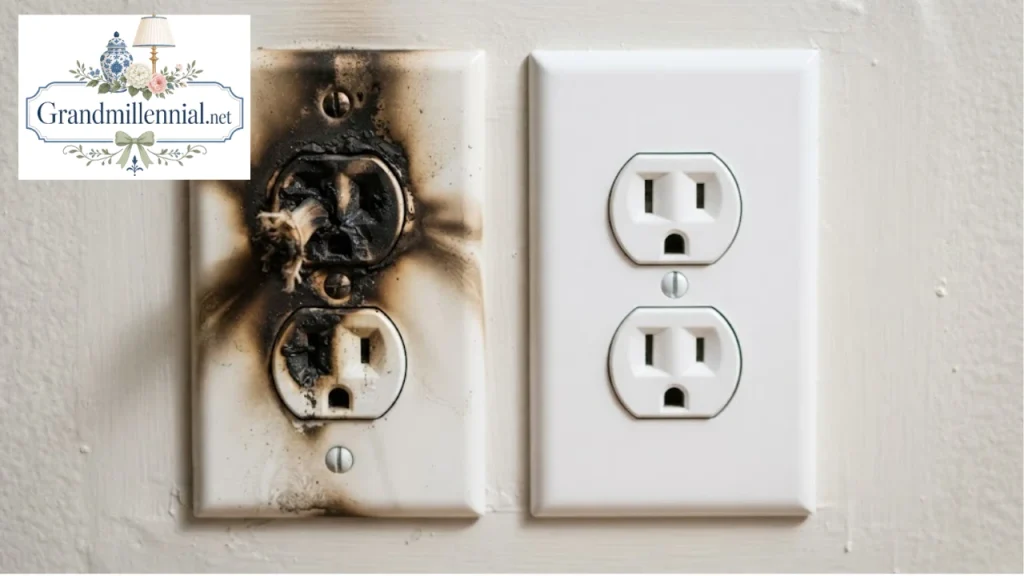
Warm, discolored, or scorched outlets and switch plates
Buzzing, crackling, or sizzling from outlets, switches, or the panel
A burning or hot-plastic smell with no obvious source
Mild shocks or tingling when you touch an appliance or switch
Outlets that don’t hold plugs firmly, or two-prong outlets throughout the house
Heavy reliance on extension cords and power strips
As Consumer Reports reported from NFPA guidance, if a fuse blows or a breaker trips, it’s worth finding the cause before simply resetting it.
Age matters too. ESFI notes that the National Electrical Code has been revised many times since the 1970s, when the average US home was built, and recommends having a licensed electrician inspect your home every 10 years, or sooner if problems appear.
Electrical emergencies: what to do first
Some situations can’t wait for a quote. Act immediately if you see the following:
Smoke, flames, or sparks from an outlet, appliance, or panel: get everyone out and call 911.
A strong burning smell you can’t trace: switch off the affected circuit at the panel if it’s safe to do so, and call an emergency electrician. If you’re in doubt, call the fire department.
Water near electrical outlets or the panel: stay out of standing water and don’t touch electrical equipment. Call an electrician and the utility if needed.
Downed power lines: stay far away, keep others back, and call your utility company or 911.
Someone receives a shock: don’t touch them if they’re still in contact with the source. Turn off the power if you safely can, and call 911.
When you search for emergency electrical services near me, look for companies that clearly offer 24/7 or after-hours service, and expect higher rates for nights, weekends, and holidays.
Electrical services for older homes
If your home was built several decades ago, its electrical system was designed for a household with far fewer appliances, chargers, and screens. That doesn’t automatically make it dangerous, but it does mean an older home deserves a closer look.
Common issues electricians find in older houses include fuse boxes instead of breaker panels, two-prong ungrounded outlets, too few circuits for modern kitchens, and outdated wiring types such as knob-and-tube or older aluminum branch wiring. Some insurers ask about these systems before offering coverage.
When you search for electrical services near me for an older home, look for electricians who mention renovations, rewiring, or historic houses in their experience. Ask whether they’ll provide a written assessment with photos so you can prioritize safety repairs first and plan bigger upgrades, such as a panel replacement or partial rewiring, over time.
Rewiring doesn’t always mean tearing out every wall. Experienced electricians can often fish new cable through existing cavities, attics, and basements, keeping plaster and decorative moldings intact where possible.
DIY, handyman, or licensed electrician?
Not every electrical job requires a master electrician, but many do require a license. Rules vary by state and city, so check with your local building department before starting any electrical work yourself.
| Job | Who usually does it? |
|---|---|
| Changing a light bulb, resetting a breaker once, testing GFCIs | Homeowner |
| Replacing a like-for-like light fixture or switch | Homeowners in some areas; check local rules. |
| Adding outlets, circuits, or new wiring | Licensed electrician, often with a permit |
| Panel replacement or service upgrade | Licensed electrician, permit, and utility coordination |
| EV charger or generator installation | Licensed electrician, usually with a permit |
| Rewiring an older home | Licensed electrician, permit, and inspection |
Handymen are often a good fit for small carpentry or painting jobs, but many states restrict them from electrical work beyond very minor tasks. Hiring an unlicensed person for regulated work can create safety risks and insurance problems.
Understanding license levels
Most states license electricians in tiers. The titles and rules vary, but the general pattern is similar.
| Level | What it means | Typical rate (This Old House, 2026) |
|---|---|---|
| Apprentice | Training under supervision doesn’t work alone on regulated jobs. | About $40–$60 per hour |
| Journeyman | Licensed to perform most electrical work independently | About $60–$90 per hour |
| Master | Highest license; can design systems, supervise others, and often pull permits | About $90–$120 per hour |
Rates come from This Old House’s 2026 electrician cost guide. For most household jobs, a journeyman working for a licensed electrical contractor is perfectly appropriate. Complex projects, such as rewiring a historic home or designing a large addition, benefit from a master electrician’s oversight.
How to find electricians near you
The best shortlist usually combines several sources.
Personal referrals. Neighbors, friends, real estate agents, and general contractors often know who shows up on time and does tidy work.
Google Business Profiles and maps. When you search for electrical services near me, the map results show local companies with reviews, photos, and hours. Read recent reviews, not just star averages, and look for responses from the owner.
Directories and marketplaces. Sites such as Angi, Yelp, Thumbtack, and Nextdoor can help you compare options. Treat them as a starting point, then verify credentials yourself.
Local supply houses and inspectors. Electrical supply stores and building departments won’t usually recommend a specific company, but they often know who’s active and reputable locally.
Your utility company. Some utilities list participating contractors for rebate programs, such as EV chargers, heat pumps, or efficiency upgrades.
Aim for two or three solid candidates, not ten. That’s enough to compare quotes without spending your whole week on the phone.

How to vet an electrician
Once you’ve shortlisted a few companies, check these points before letting anyone start work.
Verify the license.
Ask for the license number, then look it up on your state’s licensing board website (or your city’s, where licensing is local). Confirm the name matches, the license is active, and check for disciplinary actions.
Confirm insurance
A reputable electrician should carry general liability insurance and, if they have employees, workers’ compensation. Ask for a certificate of insurance; it protects you if something goes wrong on your property.
Ask about permits
Many electrical jobs require a permit and inspection. A licensed electrician should know when permits are needed and handle them. One cost-guide site, VoltFlow, flags “we don’t need a permit” as a red flag.
Read reviews carefully
Look for patterns in reviews: punctuality, cleanliness, clear pricing, and how problems were handled. A few critical reviews with thoughtful responses can be more reassuring than a perfect record.
Check experience with your job
Ask how often they handle work like yours, especially for older homes, panel upgrades, EV chargers, or generators.
Get it in writing
Insist on a written estimate and, for larger jobs, a written contract with scope, price, timeline and warranty.
Questions to ask before you hire
- Are you licensed in this state or city, and what’s your licence number?
- Are you insured, and can you send a certificate of insurance?
- Will this job need a permit and inspection? Who arranges them?
- Do you charge by the hour, a flat rate, or a service-call fee?
- What’s included in the estimate (materials, permit fees, cleanup, drywall patching)?
- Who will actually do the work: you, a journeyman or an apprentice?
- How long will it take, and will my power be off?
- What warranty do you offer on labour and parts?
- What happens if you find unexpected problems once you start?
Good electricians welcome these questions. Vague or defensive answers tell you a lot.
What electrical services cost
Prices vary widely by location, job complexity and urgency, so treat these as starting points rather than quotes.
| Service | Typical cost | Source |
|---|---|---|
| Hourly rate | About $40–$120 per hour | This Old House (2026) |
| Small to medium jobs | About $150–$600 total | This Old House (2026) |
| Service call or diagnostic | About $75–$200 for the first hour | VoltFlow (2026) |
| Upgrade to 200-amp service | About $1,500–$3,000 | Inch Calculator |
| Full panel replacement | Up to about $4,500 | Inch Calculator |
| Recessed lights | About $150–$200 per light | Inch Calculator |
| New wiring | About $3–$5 per square foot | This Old House (2026) |
| Rewiring an existing home | About $6–$10 per square foot | This Old House (2026) |
Inch Calculator and other guides note that adding wiring and working on circuit panels should always be left to a licensed electrician.
Expect higher prices for emergencies, evenings and weekends, and in high-cost areas. Older homes can also add time if the electrician needs to trace unusual or outdated wiring.
Hourly vs. flat-rate pricing
Electricians usually price work in one of two ways. Hourly pricing charges for time on site, often with a minimum or a service-call fee for the first hour. It suits troubleshooting, where nobody knows how long finding a fault will take.
Flat-rate pricing quotes a fixed price for a defined job, such as installing a ceiling fan, adding a GFCI outlet or fitting an EV charger. It gives you certainty, but check what happens if the electrician uncovers a hidden problem, such as damaged wiring behind the wall. A good contract explains how changes are approved and priced before extra work begins.
How to compare quotes
The lowest number isn’t always the best value. When you compare estimates for electrical services near me, check that each one covers the same scope.
A good written estimate should list:
- A clear description of the work and the equipment to be installed
- Materials and their quality (brand or grade where relevant)
- Labour, and whether it’s hourly or a flat rate
- Permit and inspection fees
- Any drywall patching or cleanup included
- The expected timeline and when power will be off
- Payment terms and warranty
If one quote is far lower than the others, ask what’s missing. Sometimes it’s simply a more efficient company; sometimes it’s a skipped permit or cheaper parts.
Red flags to watch for
Walk away, or at least slow down, if you see:
No licence number, or a licence that doesn’t match the business name
Reluctance to pull permits
Pressure to decide immediately, or “today only” pricing
Requests for large cash deposits before work is scheduled
No written estimate or contract
Recommendations to replace everything without explanation or photos
Poor communication or missed appointments before work even starts
A reputable electrician should be able to show you the problem, explain options in plain language, and give you time to decide on non-urgent work.
Planning electrical work during a renovation
Renovations are the best time to fix and upgrade electrical systems, because walls and ceilings are already open.
In kitchens, plan dedicated circuits for appliances, plenty of countertop outlets, under-cabinet lighting and GFCI protection where required. If you’re updating finishes, these modern kitchen backsplash ideas are worth considering alongside outlet placement.
In bathrooms, think about lighting around the mirror, ventilation fans and GFCI outlets. Choosing a vanity early helps your electrician place lights and outlets correctly; these small bathroom vanity ideas can help.
Living rooms and bedrooms benefit from layered lighting: ceiling fixtures, wall sconces and switched outlets for lamps. These cozy living room ideas show how lighting and furniture placement work together.
If you’re planning smart switches, video doorbells or whole-home automation, discuss wiring and Wi-Fi coverage early. This smart home guide covers devices that suit a well-designed home.
For larger projects, your electrician should be part of the plan from the beginning. These smarter renovation tips and this guide to home additions explain how to sequence trades so wiring, inspections and finishes happen in the right order.

Keeping your home’s electrical system safe
A little ongoing care reduces the chance of needing emergency electrical services near me at 2 a.m.
Schedule regular inspections. ESFI recommends an inspection by a licensed electrician every 10 years, or sooner if you notice problems.
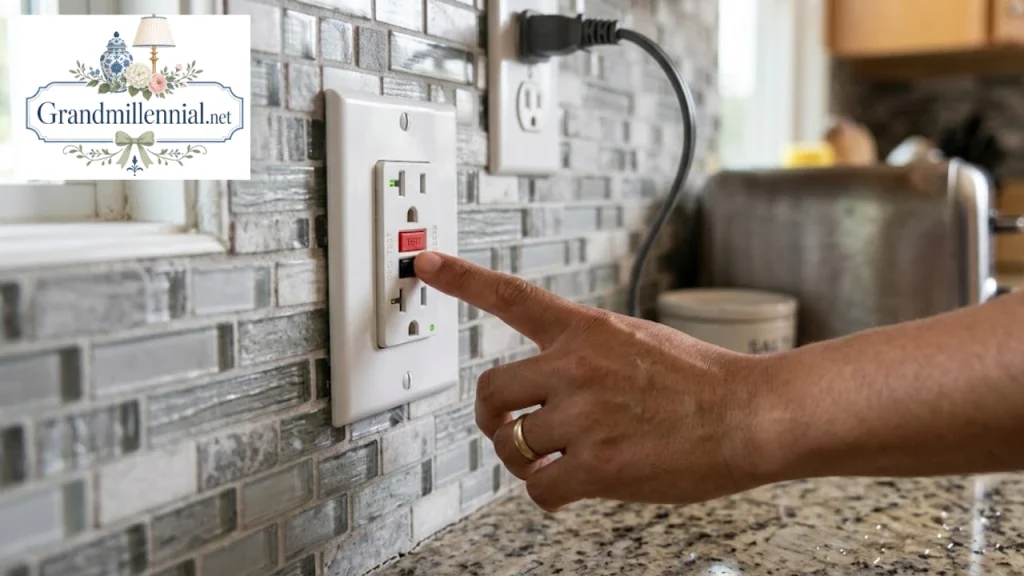
Test GFCI outlets monthly using the test and reset buttons. NFPA guidance recommends GFCIs in bathrooms, kitchens, garages and basements, as reported by EHS Today.
Ask about AFCI protection. Arc-fault breakers shut off power when they detect dangerous arcing, a common cause of wiring fires.
Don’t overload circuits. Avoid daisy-chaining power strips, and give high-wattage appliances such as space heaters their own outlet.
Check cords. Replace frayed or damaged cords, and never run them under rugs or across doorways.
Use the right bulbs. Stay within the wattage rating of each fixture.
Keep the panel accessible. Label circuits clearly and keep the area around the panel clear.
Install and test smoke alarms. Working alarms on every level and near bedrooms give you vital warning.
Getting the most from an electrical inspection
A home electrical inspection is one of the most useful services a local electrician offers, especially before buying a house, after a major storm, or before adding big loads such as an EV charger or heat pump.
A thorough inspection typically covers the main panel and breakers, grounding and bonding, a sample of outlets and switches, GFCI and AFCI protection, visible wiring in the attic and basement, smoke and carbon monoxide alarms, and outdoor circuits. Ask for a written report with photos and a prioritised list: urgent safety items first, then recommended upgrades.
Keep that report. It becomes a roadmap for future work and a helpful record for insurers and buyers.
When you’re ready to book
Once you’ve chosen an electrician, a little preparation makes the visit smoother and often cheaper. Write down the problem, when it happens and what else is running at the time. Take photos of the panel label and any damaged outlets. Clear access to the panel, attic or crawl space so the electrician doesn’t spend paid time moving boxes.
Afterwards, ask for a copy of the final invoice, any permit and inspection paperwork, and warranty details. Keep them with your home records; they’re useful for insurance, future repairs and when you sell.
FAQs:
How do I find a reliable electrician near me?
Start with referrals and recent reviews, shortlist two or three licensed local electricians, verify their licences with your state or local board, confirm insurance, and compare written estimates.
How much does an electrician charge per hour?
This Old House reports most electricians charge about $40 to $120 per hour in 2026, depending on licence level, location and the job.
What’s the difference between a journeyman and a master electrician?
A journeyman is licensed to perform most electrical work independently. A master electrician holds a higher licence and can design systems, supervise others and, in many areas, pull permits.
Do I need a permit for electrical work?
Many jobs do, especially new circuits, panel upgrades, rewiring, EV chargers and generators. Rules vary, so ask your electrician or local building department.
When should I call an emergency electrician?
Call immediately for burning smells, sparks, scorched outlets, repeated tripping with heat, or water near electrical equipment. If there’s smoke or fire, get out and call 911.
Can a handyman do electrical work?
Only very limited tasks in some areas. Many states require a licensed electrician for most electrical work. Check local rules before hiring.
How often should my home’s wiring be inspected?
ESFI recommends an inspection by a licensed electrician about every 10 years, or sooner if you notice warning signs.
Why are some electricians’ quotes so different?
Differences in scope, materials, permit fees, labour rates and overhead. Compare line by line and ask what’s included.