

It always happens mid-cycle. The drum stops, the display flashes two letters you’ve never seen before, and a load of wet towels sits waiting while you search your phone for answers.
Whether you’re shopping for a new LG washer or trying to work out what “OE” or “dE” means on the one you already own, this guide brings everything together in one place: the different types, what the feature names actually mean, how to choose the right model,
the most common error codes and fixes, how to stop front-loader smells, and how to care for the machine so it lasts. It’s an independent guide, not affiliated with LG, so it covers the strengths and the trade-offs.
Quick answer: LG washers come in front-load, top-load, and stacked WashTower styles, most powered by an Inverter Direct Drive motor. The most common codes are OE (drain), IE (water inlet), UE (unbalanced load), dE (door lock), and tCL (a Tub Clean reminder, not a fault). Many can be fixed by checking hoses, cleaning the drain filter, rebalancing the load,d or running Tub Clean.
Types of LG washers
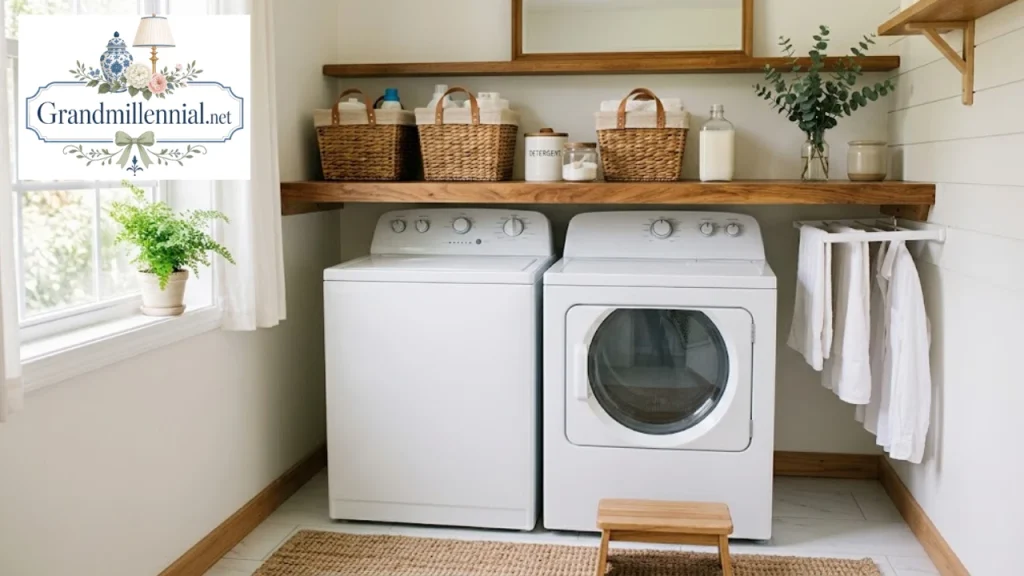
LG makes several styles of washing machines. The right one depends on your space, how you like to load laundry, and how much you wash.
| Type | How it works | Strengths | Trade-offs |
|---|---|---|---|
| Front load | Horizontal drum, loaded from the front | Gentle on clothes, efficient, stackable | Bending to load; door gasket needs regular care to prevent smells |
| Top load | Vertical drum, loaded from above | Easy to load without bending; add items mid-cycle | Usually larger footprint for capacity; can be rougher on fabrics with an agitator |
| WashTower | Washer and dryer built as one stacked unit with central controls | Saves floor space; controls at a comfortable height | Single unit to replace if one half fails; needs a suitable space |
| Washer-dryer combo | Washes and dries in one drum | One appliance for small homes | Smaller drying loads; longer drying times |
| Pedestal washer (where offered) | Small second washer built into a pedestal under a front loader | Wash small loads separately | Extra cost; limited capacity |
LG’s own Indian front-load guide claims front-load machines typically use 40 to 50 percent less water than top loaders. Exact savings depend on model and cycle, but front loaders are generally the more water-efficient choice.
Key LG washer features, explained
LG uses a lot of branded feature names. Here’s what they mean in practical terms, based on LG’s own product pages.
Inverter Direct Drive motor. Instead of a belt and pulley, the motor connects directly to the drum. LG says this means fewer moving parts and quieter, more durable operation, and it underpins LG’s long motor warranties in many regions.
AI DD (Artificial Intelligence Direct Drive). On supported models and cycles, the washer senses load weight and fabric softness, then chooses wash motions automatically. LG Australia notes it’s available on certain cycles only, such as cotton, easy care and mixed fabrics.
6 Motion Direct Drive. The drum uses different movement patterns (tumbling, rolling, swinging and others) to suit different fabrics.
TurboWash. A faster wash option that sprays water through the load to clean in less time. LG advertises cycles of roughly half an hour to under 40 minutes on some models, depending on region.
Steam and Allergy Care. Steam cycles help loosen stains and refresh fabrics; some models offer allergy-focused cycles.
ThinQ app. LG’s smartphone app lets you start, monitor,tor and download cycles, and track energy use on Wi-Fi-enabled models.
ezDispense. An automatic detergent dispenser that holds detergent for multiple loads and doses it automatically.
Tub Clean and Tub Clean Coach. A dedicated cleaning cycle for the drum, with reminders (often shown as tCL) when it’s time to run it.
Not every model has every feature. Check the specification sheet for the exact model you’re considering.
Cycles worth knowing
Cycle names vary slightly by model and country, but most LG washer models include a similar core set:
Normal or Cotton: everyday loads of cottons and mixed fabrics.
Heavy Duty: heavily soiled work clothes or sports kit.
Bulky or Bedding: duvets, comforters and pillows, with more water and gentler spinning.
Delicates or Hand Wash: lingerie, silk and fine knits.
Speed or Quick Wash: small, lightly soiled loads in a short time.
Allergiene or Sanitary (on some models): higher-temperature or steam cycles for bedding and children’s clothes.
Rinse + Spin: an extra rinse for sensitive skin or to clear excess detergent.
Tub Clean: the drum-cleaning cycle, run without laundry.
Using the right cycle matters as much as detergent choice; bulky and delicate cycles protect both fabrics and the machine.
How to choose the right LG washer
Use these questions to narrow your options.
How much space do you have? Measure width, depth, and height, including room for the door to open and for hoses and venting behind. Stacked units and WashTowers suit narrow laundry closets.
How much laundry do you do? Larger households benefit from bigger drums; couples and singles may not. Drum capacity is usually listed in cubic feet (US) or kilograms (elsewhere).
Front or top load? Front loaders are gentler and more water-efficient; top loaders are easier on backs and simpler to add items to mid-cycle. Pedestals raise front loaders to a more comfortable height.
Where will it live? On upper floors or near bedrooms, quiet operation and good vibration control matter more. An upstairs laundry also needs a drain pan and a leak sensor.
Which features will you use? Steam, TurboWash, and app control are useful for some households and unnecessary for others. Paying only for features you’ll use keeps costs down.
Check efficiency and reviews. Look for ENERGY STAR or local efficiency labels, and read recent owner reviews for the specific model.
Installation tips
Good installation prevents many of the problems that later show up as error codes.
Remove the transit (shipping) bolts from the back of front loaders before first use. Running the machine with them in place causes violent shaking and damage. Keep them in case you move house.
Level the machine. Adjust the feet until a spirit level reads flat front to back and side to side, then lock the feet.
Use the right hoses. Connect hot and cold inlets correctly, avoid kinks, and consider braided stainless-steel hoses.
Set the drain hose properly. Follow the manual for standpipe height and don’t push the hose too far down, which can cause siphoning.
Check the power supply. Plug into a properly grounded outlet, not an extension lead.
Stacking safely. Use the stacking kit specified for your model when placing a dryer on top of an LG washer, and never stack non-matching appliances without the correct kit.
Many retailers offer delivery and professional installation, which is worth considering for stacked units or tight spaces.
Pros and cons
| Pros | Cons |
|---|---|
| Direct Drive motors with long motor warranties in many regions | Front-load gaskets can trap moisture and smell if not maintained |
| Wide range of styles, including space-saving WashTowers | Feature names can be confusing; not all models have all features |
| Efficient front-load models; smart features on many machines | Repairs to electronics or boards can be costly out of warranty |
| Many problems signalled with clear error codes | Some codes need a technician to diagnose |
Reliability varies by model and use, so it’s worth reading recent reviews and checking warranty terms in your country before buying any LG washer.
Buying tips
Appliance prices change often, so a little timing can save money. Big retailers commonly run appliance sales around major holiday weekends, and end-of-year model changeovers can bring discounts on outgoing models.
Before you buy, compare the total cost: delivery, installation, new hoses, a stacking kit or pedestal, and haul-away of your old machine. Check whether your utility offers rebates for efficient appliances, and confirm the return policy in case the machine doesn’t fit or arrives damaged.
Finally, measure your doorways, hallways,s and stairs as well as the laundry space itself. A machine that fits the alcove but not the front door is a common and avoidable delivery-day problem.
LG washer error codes: what they mean
Error codes are the machine’s way of telling you what went wrong. Many are simple to fix at home. This combined table draws on LG’s own error-code support page and independent repair guides; exact codes vary by model, so check your manual.
| Code | Meaning | First things to try |
|---|---|---|
| OE | Drain error: water isn’t draining | Check the drain hose for kinks or blockage; clean the drain pump filter; check the household drain |
| IE | Water inlet error: not filling | Turn water taps fully on; check hoses for kinks; clean inlet hose screens |
| UE / uE | Unbalanced load | Redistribute or reduce the load; check the washer is level; lowercase uE can mean it’s trying to rebalance |
| dE | Door can’t lock | Close the door firmly; check nothing is caught in the seal |
| dE1 | Door open and not locked | Close the door properly; restart |
| dE2 | Door closed but not locking | Restart; if it persists, contact service |
| LE | Motor locked or overloaded | Reduce the load; unplug and let it rest; repeated LE may mean a sensor or board fault |
| tCL | Tub Clean reminder (not a fault) | Run the Tub Clean cycle |
| FE | Overfilling | Unplug and restart; if repeated, call service |
| PE | Water level sensor problem | Restart; if it persists, call service |
| AE | Leak detected (some models) | Turn off water, check hoses and floor; call service |
| CL | Child lock on | Press and hold the child lock button (see manual) |
| tE | Temperature or heating sensor issue | Restart; if it persists, call service |
Whitegoods Help notes that because most LG machines use Direct Drive motors, motor-related codes such as LE often point to the rotor position (hall) sensor, the inverter board or something obstructing the drum, rather than worn belts or brushes.
Easy Bear Appliance Repair adds that worn drum bearings can trigger a series of codes over time, starting with imbalance warnings, which is one reason repeated or shifting codes are worth having checked.
How to reset an LG washer
LG’s support guidance for many codes starts with a simple power cycle:
Unplug the washer (or switch it off at the wall) for about 10 seconds.s Plug it back in and turn it on.
Restart the cycle.
If the same code returns, LG advises closing the water taps and unplugging the washer, then contacting service. Don’t keep restarting a machine that shows leak, burning-smell or repeated motor codes.
Common problems and fixes
Not draining (OE)
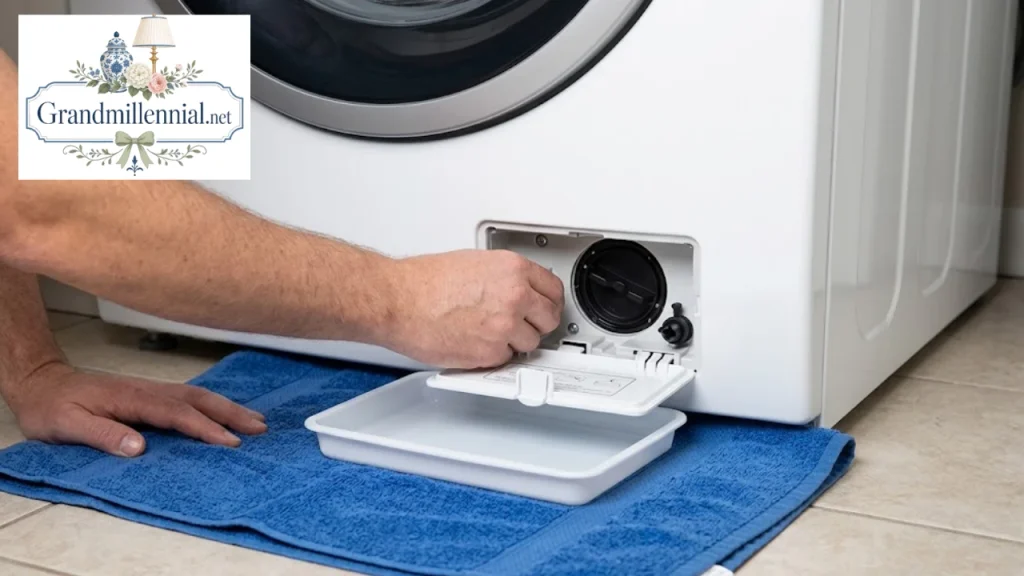
Most drain problems come from a blocked drain pump filter. On most front loaders, the filter is behind a small access panel at the bottom front of the machine.
Unplug the washer and put towels and a shallow tray down.
Open the access panel. Many models have a small drain hose; release it first to empty water slowly into the tray.
Unscrew the filter slowly, then remove lint, coins, hair ties, and other debris.
Rinse the filter, refit it securely,y and close the panel.
Check the main drain hose isn’t kinked or pushed too far into the standpipe.
Top loaders often don’t have a user-accessible filter; check your manual.
Not filling (IE)
Make sure both taps are fully open, and hoses aren’t kinked. If the water supply is fine, turn off the taps, unscrew the hoses at the back, and check the small inlet screens for debris.
Shaking, walking or not spinning (UE)
Heavy items such as bath mats, towels or a single pair of jeans can unbalance the drum. Add similar items to balance the load or remove the heaviest item. Use a spirit level to check the machine is level, and adjust the feet. A new machine shaking violently may still have its transit bolts in; check before use.
Door won’t lock (dE)
Open and firmly close the door, checking that no clothing is caught in the gasket. Clean the door latch area. If the problem persists, the lock assembly may need replacing.
Leaking
Check hose connections, the door gasket for tears, the detergent drawer for overflow, and the drain filter cap. Too much detergent can also cause suds to escape.
Getting rid of front-loader smells
Musty smells are the most common complaint with front-loading washers of every brand. Moisture and detergent residue trapped in the gasket and drum create the perfect conditions for odour.
Leave the door and dispenser ajar after washing so the drum can dry out.
Wipe the door gasket regularly, pulling back the folds to remove hair, lint,t and residue.
Remove wet laundry promptly.
Use HE (high-efficiency) detergent in the recommended amount. Too much detergent leaves residue.
Run Tub Clean when the tCL reminder appears, or roughly monthly. LG’s front-load guide recommends using the Tub Clean feature to clean the inner and outer tub and prevent odours.
Clean the detergent drawer, removing it and rinsing out any build-up.
If the smell persists after these steps, check the drain filter, which can trap stale water and debris.
A simple maintenance routine
| How often | Task |
|---|---|
| After each wash | Remove laundry; leave door and drawer ajar |
| Weekly | Wipe the door gasket and glass |
| Monthly (or at tCL) | Run Tub Clean; clean the detergent drawer |
| Every few months | Clean the drain pump filter |
| Twice a year | Check hoses for bulges or cracks; clean inlet screens; check the machine is level |
| Every few years | Consider replacing rubber inlet hoses with braided stainless-steel ones |
Regular care is the cheapest way to avoid repairs and keep any LG washer working efficiently.
Detergent and loading tips
How you load and dose your LG washer has a big effect on cleaning, smells,ls and error codes.
Use HE detergent and measure it. High-efficiency machines use less water, so they need low-sudsing HE detergent. Using too much creates excess suds, residue, and smells. Follow the dosing lines on the dispenser or the detergent label, and use less for small or lightly soiled loads.
Pods go in the drum, not the drawer. Place detergent pods at the back of the empty drum before adding clothes, unless your manual says otherwise.
Don’t overload. Clothes need room to move. As a rule of thumb, you should be able to fit a hand above the load in a front loader.
Mix item sizes. Combine large and small items to help the drum balance, and wash single heavy items, such as bath mats, with a few towels.
Empty pockets and close zips. Coins, hair clips and tissues are common causes of drain filter blockages and noisy drums.
Warranty and service
LG’s warranty terms vary by country and model, so check the paperwork for your machine.
As an example, LG Australia lists 2 years of parts and labour on the product, plus an additional 8 years on the Inverter Direct Drive motor (parts only), giving 10 years of motor parts cover. LG Philippines product pages describe a standard 10-year warranty on the motor.
A few practical tips:
- Register your machine with LG after purchase.
- Keep your receipt and model and serial numbers together.
- Use authorised service for in-warranty repairs; third-party repairs may affect coverage.
- Check whether your retailer or credit card offers extended protection.
When to call a technician
Stop using the washer and call LG or an authorised technician if you notice:
- A burning smell, smoke, or scorching around the machine
- Water leaking from underneath that you can’t trace
- Repeated LE, FE, PE, AE or tE codes after a reset
- Loud grinding or banging that continues after rebalancing
- The drum won’t turn freely by hand when the machine is unplugged
Designing a laundry room around your washer
A good laundry space makes chores easier and can be surprisingly pretty.
Plan the layout. Leave space for the door to open fully and for a basket in front. Side-by-side machines create a useful folding surface on top; stacked units save floor space in narrow rooms.
Add storage. Shelves above the machines keep detergent and baskets off the floor. These over-washer and dryer shelf ideas suit both small closets and larger rooms.
Think about the floor. Waterproof flooring and a drain pan are wise, especially upstairs. If you’re renovating or adding a laundry room, these smarter renovation tips and this guide to home additions help with planning plumbing and electrics.
Go smart if you like. Wi-Fi models can alert you when a cycle ends, which is handy in an out-of-the-way laundry; this smart home guide covers how to fit connected appliances into a well-designed home.
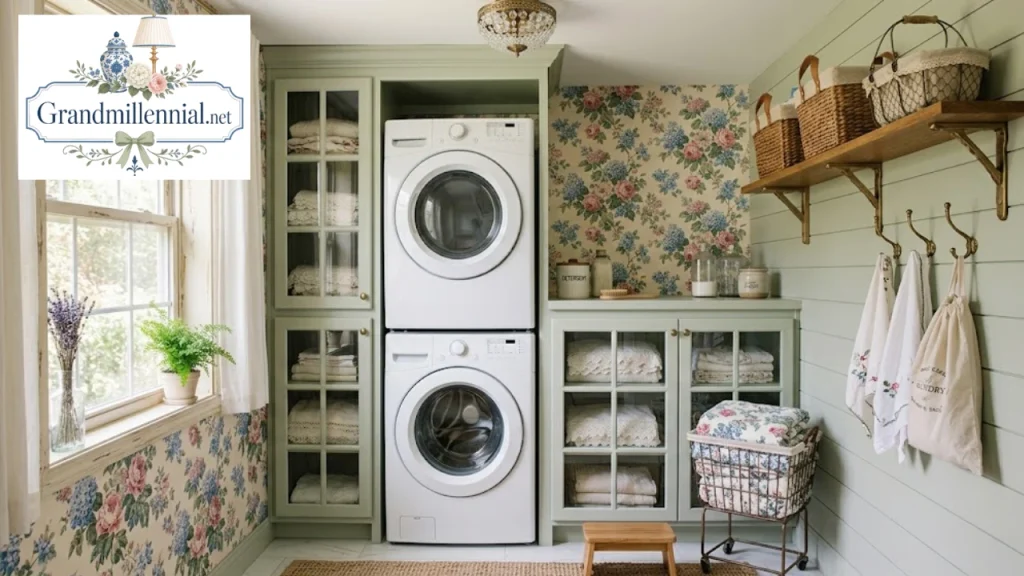
Make it pleasant. Good lighting, a pretty wallpaper or paint colour, baskets and a few framed prints turn a utility space into somewhere you don’t mind spending time.
FAQs:
What does OE mean on an LG washer?
It’s a drain error. Check the drain hose for kinks and clean the drain pump filter.
How do I reset my LG washer?
Unplug it for about 10 seconds, plug it back in,n and restart. If the code returns, contact LG service.
What does tCL mean?
It’s a reminder to run the Tub Clean cycle, not a fault. Run Tub Clean, and the reminder clears.
How often should I run Tub Clean?
When the tCL reminder appears, or roughly monthly.
Why does my front-load washer smell?
Trapped moisture and detergent residue. Leave the door open after washing, wipe the gasket, use HE detergent sparingly and run Tub Clean.
Where is the drain filter on an LG front loader?
Usually behind a small access panel at the bottom front of the machine. Check your manual.
Are LG washers reliable?
Many owners report good reliability, and Direct Drive motors carry long motor warranties in many regions. Check recent reviews for specific models.
Do LG washers need special detergent?
Use HE (high-efficiency) detergent, as recommended for front loaders and HE top loaders.