

Most people start budgeting for a repaint with one question. What will the interior painting cost be for my house, and how do I know a quote is fair?
The honest answer is a range, and the range is wide. Four popular cost guides give numbers that overlap but do not match, and the reasons are worth understanding.
This guide pulls those numbers together, shows where they disagree, and walks through a simple estimate you can do with a tape measure. All figures are US dollars from the cited pages, not quotes for your home.
Prices change with your region, your ceilings, and the shape your walls are in. Treat everything below as a starting point for asking better questions.
The short answer: national averages
Two sources agree almost exactly on the average. NerdWallet, citing 2026 Angi data, puts the typical homeowner’s bill at 2,021 dollars.
HomeAdvisor reports a national average of 2,022 dollars. Its normal range runs from 966 to 3,088 dollars, and its full range stretches from 350 to 5,800.
NerdWallet’s typical range is similar, from just under 1,000 dollars to over 3,000. So a rough planning band for a typical interior job is about 1,000 to 3,000 dollars.
That band is for a typical project, not a full house in every case. A large home with high ceilings and heavy prep can sit well above it.
Think of the average as the middle of a crowd. Your own number depends on how many walls, how tall they are, and how much repair they need.
Why the sources disagree
The same job can look cheap on one page and expensive on another, which is why interior painting cost guides confuse so many readers. Most of the gap comes from how each page measures the work.
| Source | Interior average or range | How it measures | Date shown |
|---|---|---|---|
| NerdWallet (Angi data) | 2,021 average; 2 to 6 per sq ft | Per square foot of home, varying by areas included | Updated February 2026 |
| HomeAdvisor | 2,022 average; 2 to 6 per sq ft | Per square foot, including paint | Titled 2025 |
| Inch Calculator | 955 to 3,000 per room; 1.50 to 3.00 per sq ft | Per square foot of the surface painted | Updated October 2023 |
| Improovy | 3.75 per sq ft; 6.75 with trim and ceilings | Per square foot, by surface | Labeled 2026, original article from 2024 |
Two things stand out. First, some pages price floor area and others price wall or ceiling area, and those are very different numbers.
Second, the dates vary. The Inch Calculator page carries a 2026 title but says it was last updated in October 2023, so its prices may be older than they look.
Improovy is a painting company that sells quotes, so treat its figures as marketing-grade detail. They are useful for comparison, but they are not independently verified.
When two guides differ, ask what each one measured. That single question explains most of the confusion.
Cost per square foot
Per-square-foot pricing is the most common way to compare bids. The catch is which square feet.
NerdWallet and HomeAdvisor both give 2 to 6 dollars per square foot of interior space. HomeAdvisor adds a split: about 2.75 dollars for walls only, and about 4.70 for walls, trim,m and ceilings together.
Improovy gives a similar pattern. It says walls alone run about 1.90 to 3.60 dollars per square foot, and a whole interior averages 3.75, rising to 6.75 when trim and ceilings are included.
The Inch Calculator page gives 1.50 to 3.00 dollars per square foot, and it says to measure the walls, ceiling,ng or trim surface instead of the floor. Its summary table lists 1 to 3, a small internal inconsistency.
Notice the pattern. Walls alone cost less per square foot, and adding ceilings and trim pushes the rate up.
Use the per-square-foot rate that matches the surface you are measuring. Mixing floor area with wall rates is the most common way to under-budget.
Cost by house size
If you want a quick whole-house guess for interior painting cost, size tables help. HomeAdvisor and NerdWallet both multiply their 2 to 6 dollar range by interior square footage.
For 1,000 square feet, that is 2,000 to 6,000 dollars. For 2,000 square feet it is 4,000 to 12,000, and for 3,000 square feet, it is 6,000 to 18,000, according to HomeAdvisor’s table.
Improovy lands lower for a mid-size home. It puts a 2,000 square foot house at about 5,500 dollars, and a three-bedroom house at 4,400 to 6,600.
The spread between 4,000 and 12,000 for the same house is not an error. It reflects walls only versus walls, ceilings,s and trim, plus prep, paint quality, and local rates.
Use size tables only to decide whether a bid is in a believable zone. They cannot replace a walk-through.
A bid far below the low end deserves questions about scope. A bid far above the high end deserves a second opinion.
Cost by room
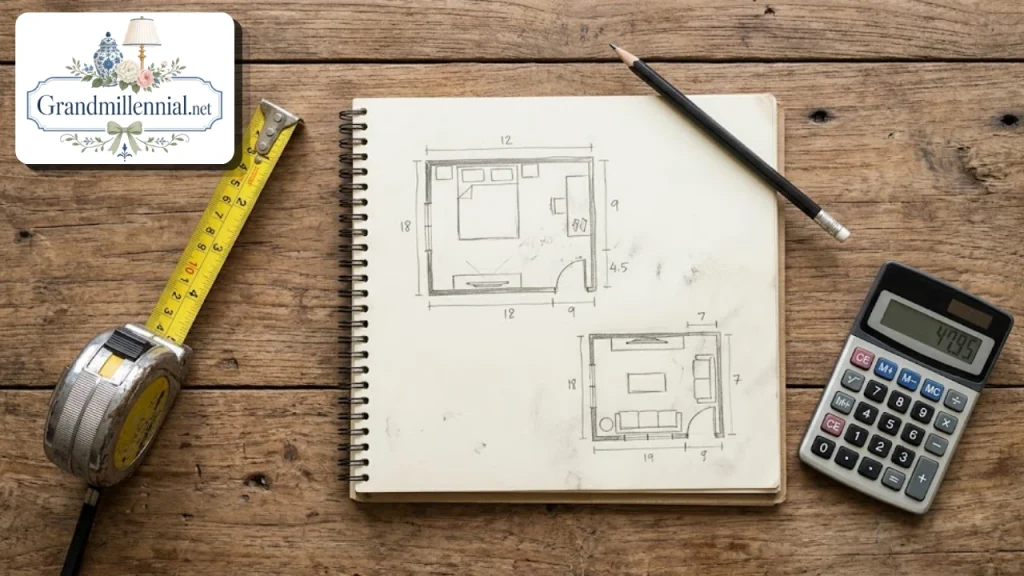
Room prices are where the sources diverge the most. HomeAdvisor lists a 70 square foot bathroom at 140 to 420 dollars, a 120 square foot bedroom at 240 to 720, and a 160 square foot kitchen at 300 to 960.
Its dining room (300 square feet) is 600 to 1,200 dollars, and its living room (330 square feet) is 700 to 2,000. These appear to apply its 2 to 6 dollar rate to floor area.
Improovy’s room prices are noticeably higher. It lists a bedroom at 650 to 950 dollars, a kitchen at 850 to 1,350, a living room at 940 to 1,700, a dining room at 750 to 1,150, and a bathroom at 380 to 670.
| Room | HomeAdvisor (dollars) | Improovy (dollars) |
|---|---|---|
| Bathroom | 140 to 420 | 380 to 670 |
| Bedroom | 240 to 720 | 650 to 950 |
| Kitchen | 300 to 960 | 850 to 1,350 |
| Dining room | 600 to 1,200 | 750 to 1,150 |
| Living room | 700 to 2,000 | 940 to 1,700 |
Improovy also lists stairway walls at 780 to 1,540 dollars, an entry foyer at 440 to 1,340, and a small or medium closet at 175 to 315.
The Inch Calculator page gives a wide per-room range of 955 to 3,000 dollars, depending on room size, ceiling height, and job complexity.
For small rooms, HomeAdvisor’s figures look low next to what most painters need to cover their time. Use its numbers as a floor and Improovy’s as a more realistic middle for a professional job.
Labor versus materials
Most of what you pay goes to people, not paint. HomeAdvisor says labor makes up 75 to 95 percent of the total cost, and NerdWallet cites the same range from Angi.
Applying that to the 2,021 dollar average is my own arithmetic, not a quote. Labor would be about 1,520 to 1,920 dollars, leaving roughly 100 to 500 for paint and supplies.
The Inch Calculator page gives hourly rates of 20 to 50 dollars and says labor and preparation make up most of the cost. It adds that some painters charge by the hour and others by the square foot.
This split explains why DIY saves so much. HomeAdvisor says DIY supplies run about 200 to 300 dollars, which it says can save 1,700 to 1,800 compared with hiring, before counting your time.
It also means the paint itself is rarely where you should economize. Cutting a few dollars per gallon saves little next to what you spend on labor.
If you buy materials yourself and hire labor only, the Inch Calculator page notes this is possible. Ask the painter first, because some prefer to supply their own.
Paint and supply prices
Paint prices are the least consistent numbers in the guides. HomeAdvisor lists flat paint at about 13 dollars per gallon and semi-gloss at about 17.
The Inch Calculator page lists flat at 25 to 60 dollars and semi-gloss at 35 to 100. NerdWallet gives 15 to 60 or more, and Improovy says big-box paint runs 30 to 45 dollars and premium brands 50 to 70.
HomeAdvisor’s numbers look low next to the other three. A safe planning range is about 30 to 60 dollars per gallon for decent interior paint.
Primer is similar. HomeAdvisor lists about 10 dollars, while the Inch Calculator page says 20 to 50 and NerdWallet says 20 to 60.
Coverage is easier. The Inch Calculator page, NerdWallet, and Improovy all use about 350 to 400 square feet per gallon.
HomeAdvisor says a 2-gallon can covers up to 800 square feet and an average house needs about 6 gallons per coat. It also says primer covers about 100 square feet per gallon, while NerdWallet, citing Lowe’s, says 200 to 300.
Plan on buying about 10 percent extra, as the Inch Calculator page suggests. Supplies such as brushes, tape, and drop cloths add about 150 to 200 dollars on that page.
What raises the price
The same room can cost twice as much once the details change. These are the biggest drivers named in the sources.
Prep work. Cleaning, patching, sanding and caulking take time. NerdWallet lists prep first among cost factors.
Ceiling height. Improovy says walls over 10 feet add 0.75 to 1.25 dollars per square foot, and 14 feet or more add 1.50 to 2.25. It also says high or lofted ceilings raise the price 20 to 40 percent.
Color changes. Improovy says drastic changes need extra coats and raise the price.
Accent walls. HomeAdvisor says accent walls cost 20 to 30 percent more for paint and materials.
Textured walls. It says textured surfaces may need up to double the paint and raise fees by up to 50 percent.
Faux finishes. The Inch Calculator page lists faux textures at 2 to 20 dollars per square foot.
Region. Improovy says location can shift costs by up to 40 percent. It puts Denver about 10 percent above Chicago and Dallas about 6 percent below.
Paint quality. Premium paints cost more but may cover more area and last longer, according to NerdWallet.
Several things lower the price. Improovy says walls with many doors and windows cost less, as do empty rooms with little furniture.
Ask a painter to list prep separately. If every bid assumes a different amount of repair, the totals are not comparable.
Ceilings, trim, doors and closets
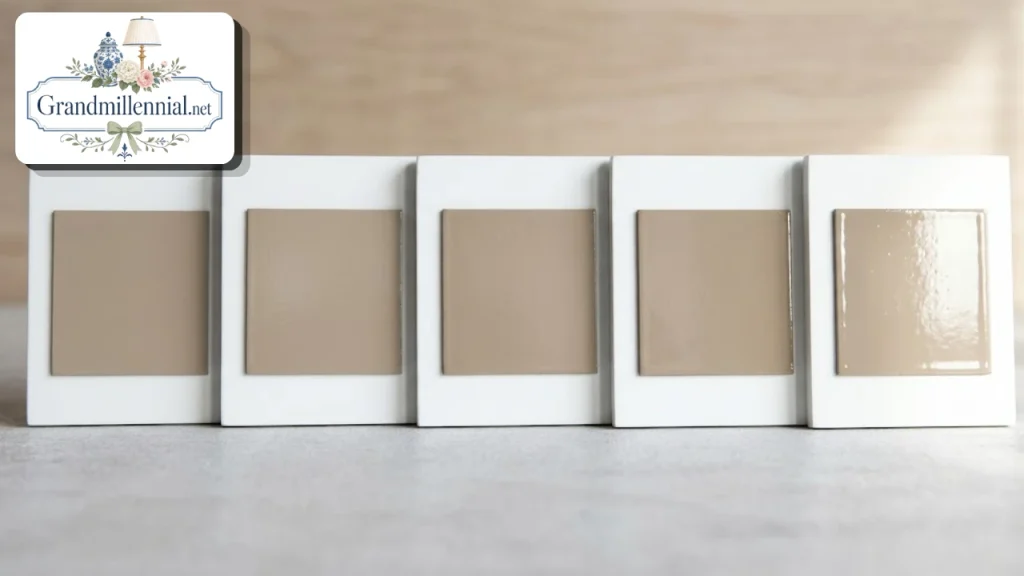
Extras are where small jobs become big ones. Many quotes cover walls only, so check what is included.
HomeAdvisor prices ceilings and trim onl; it combinesd walls, trim,m and ceilingsat a rate of about 4.70 dollars per square foot. It gives no separate prices for them.
Improovy offers more detail. It prices trim at 2.05 to 3.30 dollars per linear foot, and doors at about 70 dollars per side for a simple door, up to 380 for complex French doors.
The Inch Calculator page recommends painting trim along with the walls and using semi-gloss or full-gloss on trim and high-cleaning areas. It does not give separate prices for ceilings, doors, or cabinets.
Cabinets are a different job. None of the opened pages priced cabinet painting, so ask for a separate quote.
Wainscoting, beadboard, and wallpaper reduce the area to paint, according to the Inch Calculator page. Subtract their coverage when you measure.
Closets count too. Improovy lists small and medium closets at 175 to 315 dollars each, a reminder that small spaces still need cutting in and prep.
A worked estimate you can copy
Here is one way to estimate a single room. The math is mine, built from the sources’ rates, and it is an illustration, not a quote.
Take a 12-by-14-foot bedroom with 8-foot ceilings. The perimeter is 52 feet, so the walls total 416 square feet.
Subtract a door (about 21 square feet) and one window (about 15 square feet). That leaves about 380 square feet of wall.
At 350 square feet per gallon, one coat needs about 1.1 gallons. Two coats need about 2.2 gallons, or about 2.4 with 10 percent extra, so you would buy 3 gallons.
At 30 to 45 dollars per gallon, three gallons cost roughly 90 to 135 dollars. That is the material side, before primer and supplies.
For a professional, apply a wall rate to 380 square feet. At Improovy’s 1.90 to 3.60 dollars, the walls cost about 720 to 1,370. At the Inch Calculator page’s 1.50 to 3.00 dollars, about 570 to 1,140.
The ceiling here is 168 square feet. At 1.50 to 3.00 dollars, adding it would cost about 250 to 500.
Compare the result with Improovy’s 650 to 950 dollar bedroom range. The numbers line up well enough to show you are in a believable zone.
Estimating a whole house
Once you can estimate one room, a whole house is a matter of adding. List each room, measure its walls, and note which have ceilings, trim, or doors to paint.
Add the room totals, then compare the sum with a size-based range such as HomeAdvisor’s. If the two are far apart, find out why before you sign anything.
Keep a short line for extras. Closets, stairwells, entry halls,s and doors are easy to forget, and Improovy prices each of them separately.
Round up the paint, not down. Running out of a color mid-wall is a headache, and a second batch can look slightly different.
Budgeting beyond the quote
A bid is rarely the whole budget. When you plan your interior painting cost, leave room for the items that sit outside the contract.
Those can include moving furniture, patching damage the painter finds after the first coat, and touch-up paint for later. If you do any work yourself, add supplies: the Inch Calculator page lists about 150 to 200 dollars.
A cushion of 10 percent is a common rule of thumb, though none of the opened pages gives a figure. Treat it as my suggestion, not a sourced number.
DIY or hire a painter?
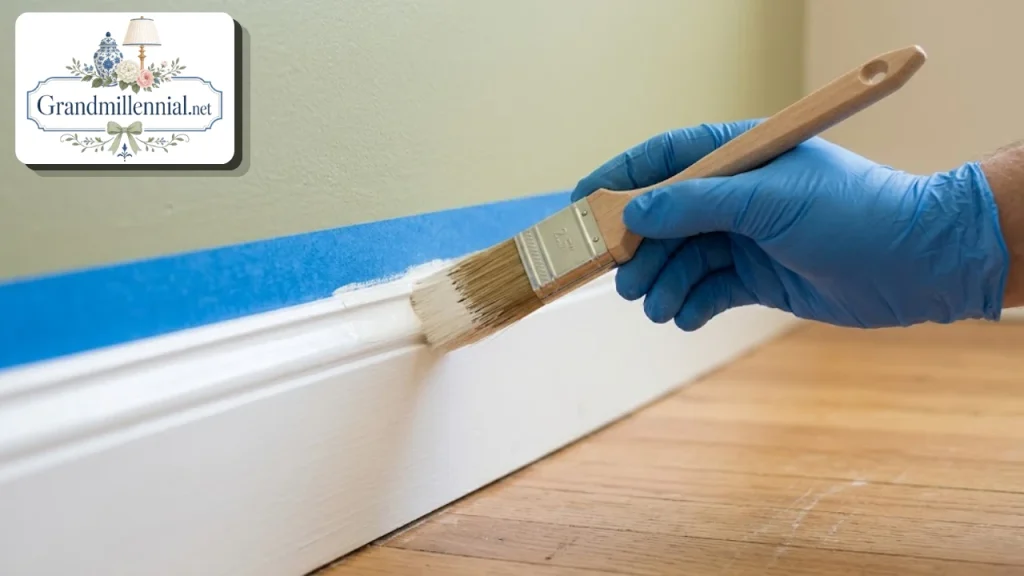
DIY saves money, but it costs time. Improovy says DIY projects take about twice as long as professional work.
The savings can be large. HomeAdvisor says supplies run 200 to 300 dollars and can save 1,700 to 1,800 compared with hiring, before counting your time.
If you need tools, add them in. Improovy lists ladders or extension poles at 250 to 550 dollars, and NerdWallet says a ladder can top 100.
NerdWallet also notes that DIY is cheaper on labor but may take longer. The Inch Calculator page adds that you can hire help later if repairs or finishing become too much.
Hire a pro for high ceilings, stairwells, heavy repairs, or when the schedule is tight. Paint it yourself for small rooms, simple walls and a flexible timeline.
A middle path works too. Do the furniture moving, outlet covers,rs and light prep yourself, and let the painter do the cutting and rolling.
How to read a painter’s quote
A good quote is specific. The Inch Calculator page suggests getting at least three estimates and checking references and contract details.
Look for a written scope that says which rooms, which surfaces, and how many coats. It should name the paint brand and sheen, not just the color.
Check that prep is spelled out. Patching, sanding, caulking and priming should be listed, or they may appear later as extras.
Ask who supplies the paint and who protects the floors and furniture. Ask about cleanup and how touch-ups are handled.
On payment, the Inch Calculator page suggests avoiding large upfront deposits, no more than one-third of the total, and only if the contractor has good references. Rules vary by place, so check local requirements.
The same page says licensing requirements vary by state and suggests asking your city’s building inspector. A license number and proof of insurance are reasonable things to request.
Compare scope, not only totals. A low bid that skips the ceiling or the second coat is not really cheaper.
Ways to save
You can lower the interior painting cost without lowering quality. NerdWallet lists six main tactics, and most apply to any home.
Do some work yourself. Even partial DIY, like prep, trims the labor line.
Consider premium paint. It may cover more area and last longer.
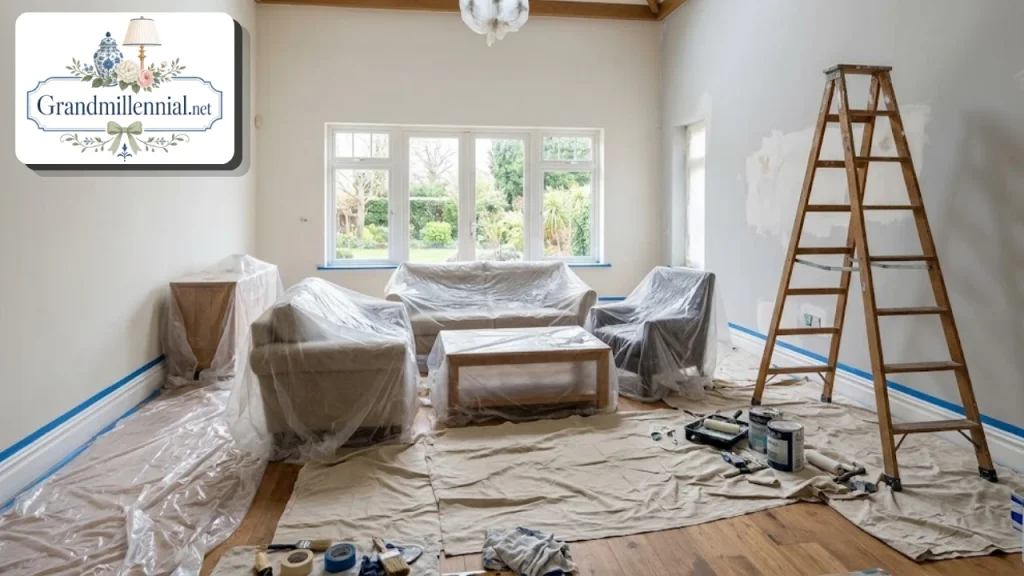
Handle prep tasks. Move furniture and remove outlet covers before the crew arrives.
Get competing bids. Put the final agreement in writing.
Cut scope. Skip ceilings or closet interiors if they look fine.
Time the job. Book in the off-peak season if you can.
Improovy adds that clearing furniture from rooms can save a few hundred dollars per floor. Choosing fewer color changes can also avoid extra coats.
If you are choosing colors, our home decor ideas can help you settle on a palette before the painter arrives. Our renovation tips cover how to plan a repaint alongside other updates.
When to book
Timing can shave the bill. Improovy says demand is lowest from roughly November through February.
It adds that interior painting is possible in winter with low- or no-VOC water-based paint and good ventilation. NerdWallet also lists off-peak timing as a way to save.
Availability varies by region, so ask painters when they are quietest. A flexible start date can be worth more than a small discount on paint.
Common mistakes to avoid
A few errors make a repaint cost more than it should. Watch for these.
Measuring floor area and applying a wall rate.
Comparing totals without comparing what each bid includes.
Skipping prep, then paying for repainting later.
Choosing the cheapest paint and needing extra coats.
Forgetting the ceiling, trim, or closets until the quote arrives.
Paying a large deposit before any work starts.
Final thoughts
The best way to understand interior painting cost is to stop chasing one number. Use the 1,000 to 3,000 dollar band as a typical job, then adjust for your walls, ceilings,s and prep.
When two guides disagree, ask what each one measured. Floor area, wall area, and room prices are not interchangeable.
Measure your own rooms, get three written bids, and compare scope as well as price. That is how you turn a rough range into a number you can trust.
FAQs:
How much does it cost to paint the inside of a house?
The national average is about 2,000 dollars, according to NerdWallet (Angi) and HomeAdvisor. Typical jobs run from roughly 1,000 to 3,000, but large homes can cost much more.
What is the price per square foot?
NerdWallet and HomeAdvisor give 2 to 6 dollars. Other guides give 1.50 to 3.00 for walls alone, so check which surfaces a rate covers.
How much of the price is labor?
HomeAdvisor and NerdWallet (citing Angi) say 75 to 95 percent. Materials are a small share of a professional job.
How much does one room cost?
Sources range widely. HomeAdvisor lists a bedroom at 240 to 720 dollars, while Improovy lists 650 to 950. Ceiling height and prep explain much of the gap.
How many gallons do I need?
Plan on about 350 to 400 square feet per gallon, per several guides. Divide your wall area by that, multiply for two coats, and add about 10 percent.
Does the paint cost matter much?
Less than labor does. Premium paint costs more per gallon, but NerdWallet says it may cover more area and last longer.
Is it cheaper to paint in winter?
Improovy says demand is lowest from roughly November through February, which can help. Use low- or no-VOC paint and ventilate the room.
Should I pay a deposit?
The Inch Calculator page suggests no more than one-third upfront, and only with good references. Check local rules and get the terms in writing.