

Few drinks carry as much childhood nostalgia. The juice box in a lunch bag, the jug on the breakfast table, the warm mug of mulled juice on an autumn evening.
Yet apple juice has a mixed reputation. Some call it a healthy fruit drink; others call it liquid sugar. The truth sits in between, and it depends on what you buy, how much you drink, and who’s drinking it.
This guide covers the nutrition facts, the real benefits and downsides, sensible limits for children, how to read a label, what the safety headlines mean, and how to make your own at home.
Quick answer: 100% apple juice can fit into a healthy diet in small amounts. It provides fluids and some plant compounds, but it has little fibre and about as much sugar per cup as many soft drinks. A whole apple is the more nourishing choice; juice works best as an occasional small glass.
What’s in a glass of apple juice
A one-cup (about 240 ml) serving of unsweetened juice has around 114 calories, according to Healthline, compared with roughly 85 calories in a medium apple.
Most of those calories come from natural sugars, mainly fructose, glucose and sucrose. USDA nutrition data puts a cup of unsweetened juice at roughly 24 grams of sugar, with less than a gram of fibre.
Vitamin C is low unless it’s been added. Many brands fortify their juice with ascorbic acid, so check the label if that matters to you. Apple juice also provides a little potassium.
What juicing removes matters as much as what it keeps. Most of an apple’s fibre lives in the skin and flesh, and much of it stays behind in the press.
Apple juice vs. a whole apple
| One cup of 100% apple juice | One medium apple | |
|---|---|---|
| Calories | About 114 | About 85–95 |
| Fibre | Under 1 gram | Several grams (about 4 g in a larger apple) |
| Sugar | About 24 grams, absorbed quickly | Less, released more slowly with fibre |
| Fullness | Low | High |
| Vitamin C | Low unless fortified | Modest |
| Time to consume | Seconds | Several minutes |
That last row is the quiet difference. It takes two or three apples to make a glass of juice, but you’d rarely eat three apples in one sitting. Drinking them takes moments and leaves you far less full.
This is why health organisations recommend whole fruit first. Juice isn’t harmful in sensible amounts; it’s simply a more concentrated, less filling way to get the same fruit.
The real benefits
An honest list of apple juice benefits is short, but it’s real.
Hydration. Apple juice is about 88 percent water, notes Healthline. For people who struggle to drink enough, a small glass diluted with water can be a pleasant way to take in fluids.
Plant compounds. Apples contain polyphenols, natural antioxidants found in the skin and flesh. Some of these carry through into the juice, especially in cloudy (unfiltered) varieties.
Research suggests these compounds may support heart health and protect cells, but Healthline cautions that more human studies are needed before strong claims can be made. Treat any page promising clearer skin or a better memory from apple juice with scepticism.
A gentle digestive nudge. Apple juice contains sorbitol and a relatively high share of fructose, both of which can draw water into the gut. That’s why it’s sometimes suggested for occasional mild constipation. For babies and young children, ask your paediatrician before using juice this way.
The downsides
The main concern with apple juice is sugar without fibre. Because there’s little to slow absorption, its sugars reach the bloodstream faster than those in whole fruit. People managing diabetes should talk to their doctor or dietitian about how juice fits their plan.
Calories also add up quietly. A large glass at breakfast and another with lunch can contribute more calories than many people realise, without making them feel full.
Teeth are another consideration. Frequent sipping bathes teeth in sugar and acid, which raises the risk of decay, particularly in children. Drinking juice with a meal, rather than sipping it throughout the day, is kinder to teeth.
Finally, apple juice can cause loose stools or stomach discomfort in some people, especially in larger amounts, for the same reasons it can help with constipation.
Apple juice for children
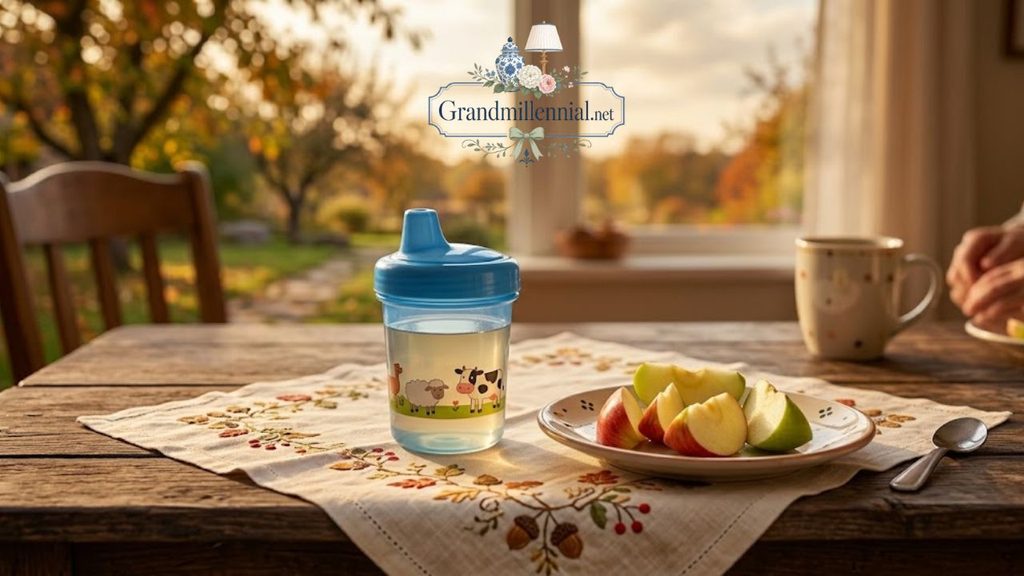
This is where official guidance is clearest. The American Academy of Pediatrics’ 2017 policy statement sets these limits for 100% fruit juice, as summarised on HealthyChildren.org:
| Age | AAP guidance on 100% fruit juice |
|---|---|
| Under 12 months | No juice, unless clinically indicated |
| 1–3 years | At most 4 ounces (about 120 ml) a day |
| 4–6 years | 4 to 6 ounces (about 120–180 ml) a day |
| 7–18 years | Up to 8 ounces (1 cup) a day |
The AAP also advises against giving toddlers juice in bottles or easy-to-carry covered cups that allow sipping all day, and against juice at bedtime. It says juice isn’t appropriate for treating dehydration or managing diarrhoea, and it strongly discourages unpasteurized juice for children of all ages.
In practice, many families water juice down, serve it in a small cup with a meal, and keep water and milk as the everyday drinks. Whole or sliced apples remain the better everyday fruit.
Reading the label
The juice aisle is full of similar-looking cartons with very different contents. Knowing what you’re buying makes it easier to choose the best apple juice for your household.
| Label term | What it means |
|---|---|
| 100% apple juice | Only juice, with no added sugar (vitamin C may be added) |
| Apple juice drink, cocktail or beverage | Contains less juice, often with added sugar and water |
| From concentrate | Water was removed for shipping and added back later; nutritionally similar to not-from-concentrate |
| Not from concentrate | Pressed and pasteurized without being concentrated; often tastes fresher |
| Cloudy or unfiltered | Keeps more of the apple’s fine solids; tends to retain more polyphenols |
| Clear or filtered | Filtered for a bright look and longer shelf life |
| Apple cider (US) | Usually unfiltered, fresh-pressed juice; may be unpasteurized |
| Cider (UK and elsewhere) | Usually an alcoholic drink |
| Organic | Grown under organic standards; nutritionally similar |
Check the ingredients list as well as the front of the pack. If you see added sugar, syrup, or “juice drink”, you’re not buying 100% juice.
Is apple juice safe?
For most people, commercial apple juice is a safe, heavily regulated product. Two topics come up often.
Arsenic. Arsenic occurs naturally in soil and water, so tiny amounts can appear in foods. In 2023, the FDA finalised an action level of 10 parts per billion for inorganic arsenic in apple juice, the same level used for drinking water. The FDA’s guidance notes an increasing share of samples testing below 3 and 5 ppb.
Unpasteurized juice and cider. Fresh, unpasteurized juice can carry harmful bacteria. In the US, unpasteurized juice must carry a warning label. Young children, older adults, pregnant people, and anyone with a weakened immune system should choose pasteurized juice.
If you buy fresh cider from a farm stand, check the label, and heat it until steaming before serving it to anyone in a higher-risk group.
How to make apple juice at home
Homemade apple juice tastes noticeably brighter than shelf-stable cartons, and you choose exactly which apples go in. Expect roughly a cup of juice from every pound of apples with a juicer, though yields vary by variety and ripeness.
Choosing apples
A blend usually tastes best. Sweet varieties such as Gala, Fuji, i or Honeycrisp give body and sweetness; a tart apple such as Granny Smith adds brightness. Bruised or slightly imperfect apples are fine, as long as you cut away any rotten spots.
With a juicer (fastest, freshest)
Wash about 3 pounds of apples and cut them into pieces that fit your juicer. Removing the core is optional for most juicers. Feed the pieces through the juicer. Stir in a squeeze of lemon juice to slow browning. Skim off the foam and chill before serving.
With a blender
Core and chop the apples, then blend them with a splash of water (about half a cup per 3 pounds) until smooth. Pour the purée into a cheesecloth or nut-milk bag set over a bowl. Squeeze firmly to press out the juice. Add lemon juice, chill,l and serve.
On the stovetop (no special equipment)
Chop about 3 pounds of apples, skin on, and put them in a large pot. Add water to just cover, bring to a boil, then simmer for 20 to 25 minutes until very soft. Mash the apples, then strain through a fine sieve lined with cheesecloth, letting it drip without pressing for clearer juice. Sweeten only if you need to, and chill.
The stovetop method gives a lighter, cooked flavour, and because the juice has been heated, it’s a good choice when serving young children.
Storing and serving
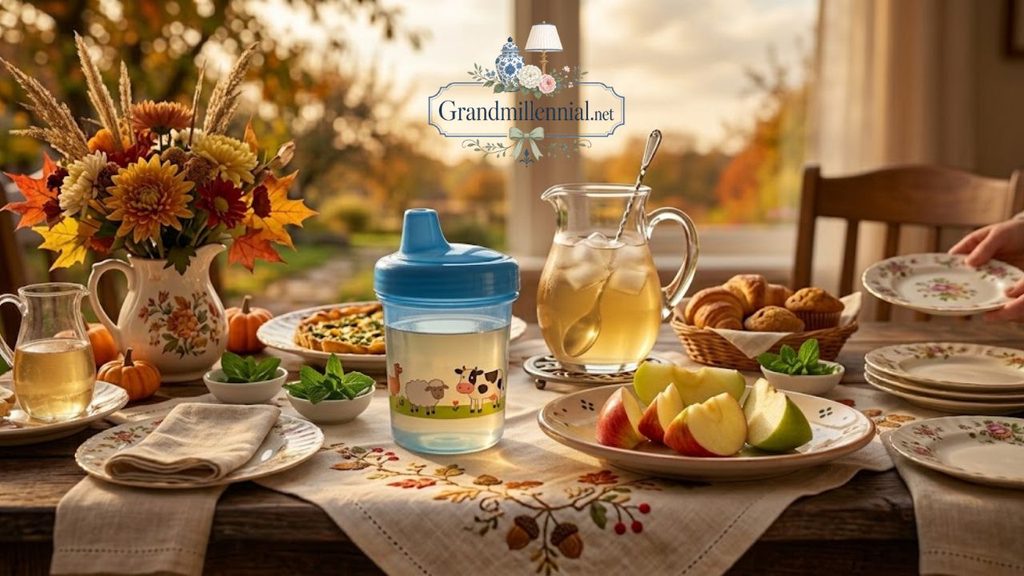
Raw homemade juice is best within two to three days in a covered jar in the fridge. Stovetop juice keeps a little longer. For longer storage, freeze it in containers with a little headspace for expansion; it keeps well for several months.
To make a glass go further, mix juice half and half with sparkling water for a lighter spritz. Add a cinnamon stick, a few cloves,e s and an orange slice, then warm gently for a mulled drink that makes the whole house smell like autumn.
A pitcher of cold apple juice with sliced apples and a sprig of mint looks lovely on a brunch table. For setting a relaxed, collected table, these home decor ideas that actually work are full of easy ideas.
If juicing becomes a regular autumn ritual, a calm, practical kitchen makes it easier. These coastal kitchen ideas and modern backsplash ideas show how to make the space feel fresh and easy to clean after sticky jobs.
And on a cool evening, a warm mug of mulled juice is best enjoyed somewhere comfortable; these cozy living room ideas help you create that spot.
FAQs:
Is apple juice good for you?
In small amounts, 100% apple juice can be part of a healthy diet. It provides fluids and some plant compounds, but it’s high in sugar and low in fibre, so whole apples are the better everyday choice.
How much sugar is in a glass of apple juice?
About 24 grams per cup of unsweetened juice, almost all natural fruit sugar.
Can toddlers drink apple juice?
The AAP advises no juice before 12 months, and at most 4 ounces a day for children aged 1 to 3, served in a cup with a meal.
Is apple juice good for constipation?
Its sorbitol and fructose can have a mild laxative effect. Check with a paediatrician before using it for babies or young children.
What’s the difference between apple juice and apple cider?
In the US, cider is usually unfiltered and may be unpasteurized; juice is filtered and pasteurized. In many other countries, cider is alcoholic.
Is cloudy apple juice healthier than clear?
Cloudy juice tends to retain more polyphenols because it keeps more of the apple’s fine solids. Sugar and calories are similar.
How long does homemade apple juice last?
Raw homemade juice is best within two to three days in the fridge. You can freeze it for several months.